UConn Health December 2015 Programs, Events

November 12, 2015

Here is a list of UConn Health programs scheduled for December and early January 2016. This information will be updated with any additions or other schedule changes.

Nutrition for a Healthy Heart
Wednesday, Dec. 2, 2 to 4 p.m., UConn Health Outpatient Pavilion
The UConn Health’s Healthy Nutrition program invites you on a journey to a lower blood pressure, reduced cholesterol and healthier weight. This workshop usually is offered on the first Wednesday of the month. Registration fee is $30. Call 800-535-6232 to register or for more information.

Free IVF Information Session
Thursday, Dec. 3, 6 to 8:30 p.m., Cell and Genome Sciences Building, 400 Farmington Ave.
Specialists with the Center for Advanced Reproductive Services lead an informational session about current treatments for infertility, specifically in vitro fertilization (IVF). Each program includes an in-depth explanation of the IVF process, discussion of some of the emotional issues surrounding IVF, and discussion of options for financial planning. Registration is required: 860-679-4580 or www.uconnfertility.com.

Holiday Bazaar and Basket Raffle
Friday, Dec. 4, 9 a.m. to 4 p.m., UConn Health, Main Lobby
The UConn Health Auxiliary’s annual winter holiday shopping event includes vendors in the main lobby and mezzanine and the Auxiliary’s popular raffle of gift baskets created and donated by UConn Health employees. Drawing is at 3:30. For more information please call 860-679-2963.

Bladder Cancer Support Group
Saturday, Dec. 5, 2 to 3 p.m., UConn Health, Onyiuke Dining Room
Patients, family members and caregivers (not limited to UConn Health patients) are invited to join others whose lives have been touched by bladder cancer. This support group, established in partnership with the Bladder Cancer Advocacy Network, usually meets on the first Saturday of the month and is the only group of its kind in New England. Call 888-901-BCAN for more information.

Free Discovery Series: “Recognizing the Signs of Stroke”
Tuesday, Dec. 8, 7 to 9 p.m., UConn Health, Keller Auditorium
Each year, nearly 800,000 people in the U.S. experience a stroke. It can happen to anyone at any age and any time. UConn Health stroke experts Dr. Sanjay Mittal and Dr. Ryan Zengou will discuss the warning signs and preventive measures. Register online, for free, at http://discoveryseries.uchc.edu or call 800-535-6232.

Childbirth Preparation Class
Saturday, Dec. 12, 8:30 a.m. to 5 p.m., UConn Health, Onyiuke Dining Room
This one-day class covers anatomy and physiology of pregnancy and labor, emotions of pregnancy, nutrition, fetal growth and development, comfort measures for labor, working with unexpected events in labor, cesarean delivery, and practice of relaxation and breathing techniques for labor. Class size is limited to eight couples. Remember to bring two pillows and wear comfortable clothing. Light snack is provided. Fee is $100. Call 800-535-6232 or 860-679-7692 to register or for more information.

Stroke Survivor Group
Wednesday, Dec. 16, noon to 1 p.m., UConn Health Outpatient Pavilion, 3rd floor
The UConn Health Stroke Center invites stroke survivors, families and caregivers to a monthly group meeting to discuss topics such as prevention, coping methods, support systems, rehabilitation tips, resources, and promoting independence. The Stroke Survivor Group generally meets on the fourth Wednesday of the month. Call 860-679-4846 for more information.

Infertility Peer Support Group
Thursday, Dec. 17, 7 p.m., Center for Advanced Reproductive Services, 2 Batterson Park Road, Farmington.
The Greater Hartford chapter of RESOLVE, a national nonprofit resource for those facing the challenges of infertility, offers support, information and confidential, informal, peer-led discussions on the third Thursday of the month. To learn more or to check for weather-related cancellation, call 860-523-8337.

Free Hospital Maternity Tours
Saturday, Dec. 19, 2:30 to 3:30 p.m., UConn Health, Main Lobby
A representative will guide you through labor and delivery, postpartum, and the nursery at John Dempsey Hospital. Children and grandparents are welcome. Call 800-535-6232 to register or for more information.

Celiac Disease Nutrition Class
Monday, Dec. 21, 8 to 9 a.m., UConn Health Outpatient Pavilion
A registered dietitian leads a discussion for those with celiac disease or non-celiac gluten sensitivity. This program now is scheduled to meet the third Monday of the month. Fee is $20. Call 800-535-6232 or 860-679-7692 to register or for more information.

Free Cosmetology Services for Cancer Survivors
Monday, Dec. 21, 1 to 3 p.m., UConn Health, Outpatient Pavilion, 4th floor
“Look Good…Feel Better” is a free program to help improve the self-image and self-esteem of women experiencing appearance-related side effects from cancer treatment. During this hands-on workshop, a trained volunteer certified cosmetologist will offer self-help instruction and education on hairstyling and coping with hair loss, skin care, makeup and nail care. Wigs, turbans and scarves will also be discussed. Classes are offered monthly and are not limited to UConn Health patients. Registration is required: call 800-227-2345 with your name, program date, phone number, and skin color. Kits are available in Light, Medium, Dark and Extra Dark.

Bladder Cancer Support Group
Saturday, Jan. 2, 2 to 3 p.m., UConn Health, Onyiuke Dining Room
Patients, family members and caregivers (not limited to UConn Health patients) are invited to join others whose lives have been touched by bladder cancer. This support group, established in partnership with the Bladder Cancer Advocacy Network, usually meets on the first Saturday of the month and is the only group of its kind in New England. Call 888-901-BCAN for more information.

Nutrition for a Healthy Heart
Wednesday, Jan. 6, 2 to 4 p.m., UConn Health Outpatient Pavilion
The UConn Health’s Healthy Nutrition program invites you on a journey to a lower blood pressure, reduced cholesterol and healthier weight. (This workshop usually is offered on the first Wednesday of the month.) Registration fee is $30. Call 800-535-6232 to register or for more information.

Free IVF Information Session
Thursday, Jan. 7, 6 to 8:30 p.m., Cell and Genome Sciences Building, 400 Farmington Ave.
Specialists with the Center for Advanced Reproductive Services lead an informational session about current treatments for infertility, specifically in vitro fertilization (IVF). Each program includes an in-depth explanation of the IVF process, discussion of some of the emotional issues surrounding IVF, and discussion of options for financial planning. Registration is required: 860-679-4580 or www.uconnfertility.com.

New 6-week “Ready to Lose” Weight Management Program Starts
Tuesday, Jan. 12, 5 to 6 p.m., UConn Health Outpatient Pavilion, 2nd floor east
The introductory session is followed by five weekly sessions through Tuesday, Feb. 16, that include a weigh-in, discussion of progress, and a timely nutrition topic such as eating out strategies, cooking light and right, emotional eating, exercise and activity, and smart shopping. Registration fee is $70, $50 for past participants. Call 800-535-6232 for more information.

Directions to UConn Health are available at www.uchc.edu/directions/index.html.

Veteran’s Day Observance Kicks off ‘40 Days of Thanks’

November 10, 2015

  • Robin Frank (right) gives opening remarks at the Student Services Center's Veteran's Day observance on November 10, 2015. (Chris DeFrancesco/UConn Health Photo)
Several dozen students, faculty and staff took time out Tuesday for a Veteran’s Day observance at the Student Services Center.

It was the start of Student Services’ “40 Days of Thanks” campaign, which also includes holiday cards people can sign and send to a member of the military.

“We also are accepting donations for South Park Inn, and we also have a Wall of Thanks,” says Alison Valone Suhocki, assistant registrar and one of the organizers. “Students, faculty, staff can come over and sign on the wall and say what they’re thankful for. It’s really some things to really home in on being thankful for where we are in our lives and for those who have served, and to support those who are serving.”

The celebration included cupcakes—260 of them frosted red, white and blue, arranged to resemble an American flag.

Among the veterans on hand was Suzanne Zimmerman, a receptionist in the UConn School of Dental Medicine, who provided administrative support for a military intelligence unit while stationed in West Germany during the Cold War. She says today’s service members face a different world.

“We’re out there, and this is a time when I wouldn’t want to be out there,” Zimmerman says. “I wouldn’t want my son to be out there, but I give these women and men a lot of credit to be out there.”

Gregory de Gruchy spent four years on active duty with the Marines, including tours in both Iraq and Afghanistan, before finishing his undergraduate studies at UConn. Now in his first year at the UConn School of Medicine, he says his experience helped steer him toward a career in medicine.

“When I was in the military I really realized I wanted to work in health care,” de Gruchy says. “I was involved in my unit in some of the aspects of the stress of deployments. We were a very high-deployment unit and we had to deal with a lot of the issues that come up with that pace of operations.”

JDH Staff Participates in Stroke Summit

This article first appeared in the October issue of “Clinical Effectiveness and Patient Safety Forum,” written by Jennifer Sposito.

UConn Health John Dempsey Hospital’s Primary Stroke Center had strong representation at the 10th annual Northeast Cerebrovascular Consortium (NECC) Summit, which was held Oct. 22-23 in Newport, R.I. The goal of this conference is to improve stroke care in the Northeast, share best-care practices, and highlight regional trends to decrease stroke mortality. Two members of the UConn Health John Dempsey Hospital staff presented at the conference:

Peter Canning, paramedic, R.N., and EMS coordinator, this year’s Invited Emerging Practice Lecturer, spoke to the assembly on “Hospital and EMS Stroke Care Partnership: Data Collection, Education and Feedback.” UConn Health is a pioneer in utilizing EMS data to improve care.

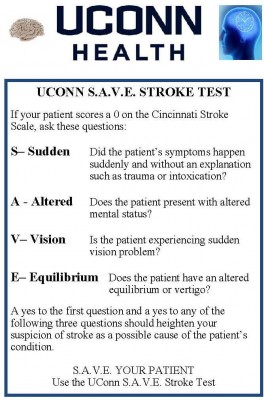
UCONNSAVEAt UConn Health, every stroke and every stroke alert that comes in from EMS is tracked (even when it turns out not to be a stroke), along with the following data elements:
  • Dispatched lights and sirens
  • Response within 8 minutes
  • ALS care
  • Stroke recognized
  • Cincinnati Stroke Scale
  • Blood glucose
  • On scene 15 minutes or less
  • Last known well time
  • Transported lights and sirens
  • Stroke alert
  • Stroke Alert direct to CT scan
  • TPA
  • Ischemic vs. hemorrhagic
  • Symptoms for missed strokes
  • Diagnosis for false alerts

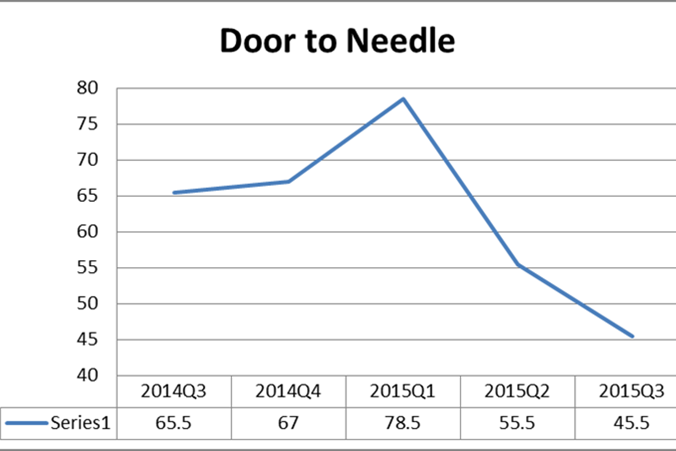
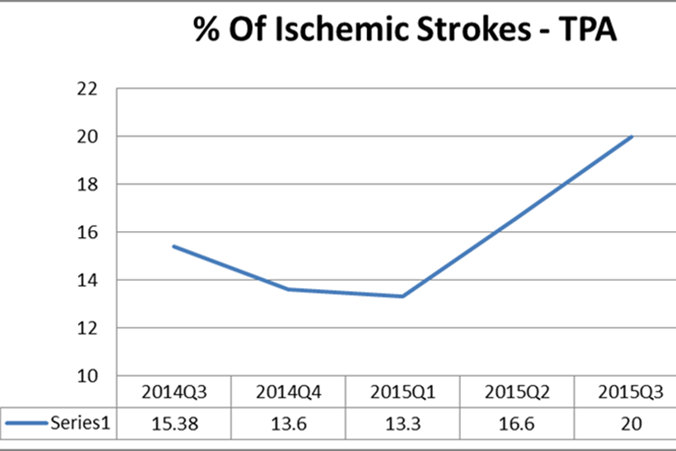
Collecting and analyzing data on EMS response to stroke patients has enabled UConn Health to rewrite pre-hospital stroke care guidelines. Our efforts, which included the development of the UConn S.A.V.E. Stroke Test to increase awareness of the different ways stroke can present, have helped UConn Health lower door-to-needle times and increase the percentage of stroke patients receiving life-saving, clot-busting medicine.

At UConn Health, we consider EMS our partners in stroke care. We recognize that care for our patients truly begins when EMS arrives at their side. Our hospital/EMS partnership works for the benefit of all.

Jennifer Sposito R.N., BSN, stroke coordinator, presented a poster on behalf of UConn Health’s Stroke Center titled: “Measuring Impact of Pharmacist Intervention in Acute Stroke Management by Preparing rTPA in the Emergency Department.” This presentation was made with support from:

  • Sanjay Mittal, M.D., Medical Director of the Stroke Program
  • Kathleen Coyne, R.N, BSN; Director of Critical Care Nursing
  • Allison Dias, Pharm.D., R.Ph.; Medication Safety Pharmacist
  • Kimberly Metcalf, M.S., Pharm.D., Director of Pharmacy
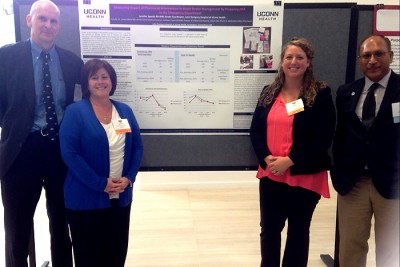
From left: Peter Canning, Kathleen Coyne, Jennifer Sposito and Dr. Sanjay Mittal at the 2015 Northeast Cerebrovascular Consortium Summit (Photo submitted by Jennifer Sposito)

To summarize, a pharmacist responds to the emergency department with a pre-assembled stroke kit, which includes all necessary items and supplies to calculate, prepare, and administer rtPA to an eligible patient. If the patient is an appropriate candidate for rtPA, the pharmacist then calculates the dose and prepares the rtPA for administration, while the emergency department staff prepares the patient for administration of the medication.

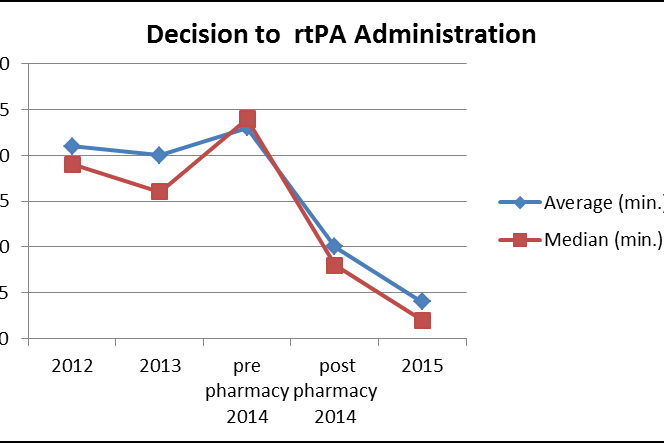
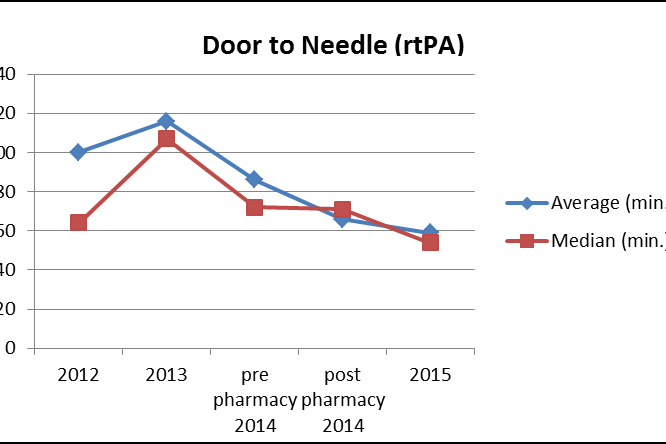
We have seen drastic improvements in the average rTPA order time to rTPA administration as a result of the creation of a Stroke Kit and the addition of a pharmacist to the stroke team. Since implementation of this practice, more than half of our rTPA cases have decision-to-needle times of zero, and we have seen an overall decrease in our average door-to- needle times.

This was a collaborative quality improvement and best practice pilot study that has changed the way we provide optimal care in a timely manner to our stroke patients.

Having a pharmacist present alleviates dosing calculations and preparation of rTPA from emergency department, neurology, and radiology staff and allows each discipline to focus on their clinical duties during a stroke alert. This allows for better collaboration and a reduction in our time to administration, which is imperative to preserve brain function.

A pharmacist utilizing a stroke kit to prepare rTPA directly in the emergency department played a huge part in UConn Health reaching our benchmarks as a primary stroke center.

The unprecedented collaboration among the members of the stroke team, the emergency department staff, and the pharmacy department demonstrates the high quality stroke care we provide at our organization.

CT-Based Startup Biorasis Wins Big at MassChallenge

November 6, 2015

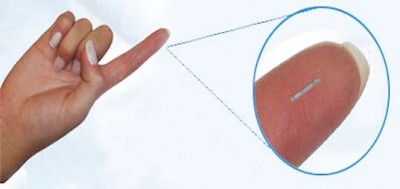
Glucowizzard implantable sensor (Photo provided by Jessica McBride)

Connecticut-based medical device startup Biorasis recently was awarded the MassChallenge’s top prize at its annual awards ceremony. The company was one of only four “Diamond Winners,” receiving a cash prize of $100,000. It was also one of two teams to receive the Sidecar Award, providing an additional $200,000 in non-dilutive funding.

The technology developed by Biorasis, the GlucowizzardTM, is an ultra-small implantable biosensor for continuous, reliable glucose monitoring. This needle-implantable device wirelessly transmits glucose levels to a watch-like unit for real-time display, which in turn communicates with personal digital accessories like a smartphone. The device measures only 0.5 x 0.5 mm and vastly improves the quality of life for patients with diabetes. It eliminates the need for surgical sensor implantation and extraction, restores active lifestyle, and enables remote care for young people and the elderly. The technology can also function effectively for three to six months without user intervention and saves between 50 and 70 percent in annual health care costs.

Professor Faquire Jain, Institute of Materials Science
Professor Fotios Papadimitrakopoulos, Institute of Materials Science

“We’re thrilled with our experience at MassChallenge, and are grateful to have received such a clear vote of confidence from the organization about the quality and potential impact of our technology,” say cofounders Faquir Jain and Fotios Papadimitrakopoulos, professors in UConn’s Institute of Materials Science.

The world’s biggest startup accelerator, MassChallenge accepts only 128 startups out of more than 2,000 that apply each year to participate in the nonprofit organization’s four-month program. During their time at the accelerator, startups receive educational programing and mentorship to advance their early-stage ventures. Since 2010, startups accelerated by MassChallenge have raised $1.1 billion in funding, generated $520 million in revenue and created 6,500 jobs.

Biorasis plans to build on this momentum.

According to Biorasis’ chief operation officer, Dr. IIze Krist, the next step for Biorasis is to develop the animal data needed to allow for clinical trials and FDA approval.

“This recognition by MassChallenge provides external validation of our product concept and its value to patients,” Krist says.

R&D facilities for Biorasis are currently housed in the UConn Technology Incubation Program in Storrs.

–Jessica McBride


UConn Health’s MotherToBaby Affiliate Part of National Drug Safety Coalition

November 3, 2015

A national movement to improve public health and patient safety by reducing risk associated with certain medications is underway, and UConn Health’s MotherToBaby CT program is part of it.

The medications in question are subject to what are known as Risk Evaluation and Mitigation Strategies, or REMS. This protocol is designed to ensure a drug’s benefits outweigh its risks.

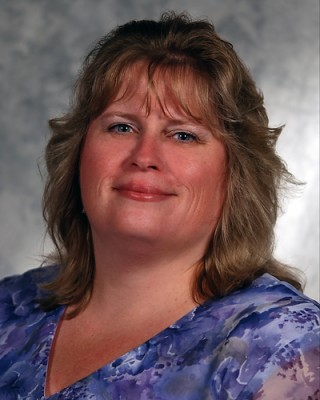
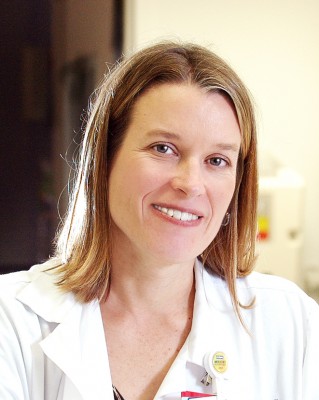
Sharon Voyer Lavigne is a teratogen information specialist and coordinator of the MotherToBaby CT program at UConn Health. (Janine Gelineau/UConn Health Photo)
Sharon Voyer Lavigne is a teratogen information specialist and coordinator of the MotherToBaby CT at UConn Health. (Janine Gelineau/UConn Health Photo)

The Patients Alliance for Drug Safety Protections is a coalition of 20 public health, women’s health, health professional, and disease organizations, including the international nonprofit Organization of Teratology Information Specialists (OTIS), of which MotherToBabyCT is an affiliate.

“We have worked tirelessly to assist providers and the public in making the best medication choices for the best pregnancy outcomes,” says MotherToBaby CT coordinator Sharon Voyer Lavigne. “We continue to support women who are trying to avoid or reduce harmful exposure use during the childbearing years in an effort to empower them to increase the wellness of their children.”

The organizations that make up the alliance represent millions of Americans with serious diseases who benefit from medications marketed with REMS safety restrictions.

The coalition’s priorities include raising awareness that REMS allow the Food and Drug Administration to approve medications that otherwise would be too dangerous to be allowed on the market, such as drugs to treat cancer, multiple sclerosis or kidney disease. It also aims to prevent diversion of drugs into a black market.

As part of these efforts, the Patients Alliance for Drug Safety Protections has launched a new online resource to explain REMS: www.drugprotections.org.

MotherToBaby CT is part of the Division of Medical Genetics in UConn Health’s Department of Genetics and Genome Sciences. Formerly known as the Connecticut Pregnancy Exposure Information Service, the program got started three decades ago with a seed grant from the March of Dimes. Lavigne and fellow UConn Health counselors Joanne Brochu and Ginger Nichols serve on the OTIS education committee and helped create many of the MotherToBaby Fact Sheets.

OTIS is a professional society that supports and contributes to worldwide initiatives for education in and research of teratology, the study of birth defects.

MotherToBaby affiliates and OTIS are suggested resources by many agencies including the Centers for Disease Control and Prevention (CDC). They are dedicated to providing evidence-based information to mothers, health care professionals, and the general public about medications and other exposures during pregnancy and while breastfeeding.

More information about MotherToBaby CT is available at 800-325-5391, 866-626-6847, mothertobaby@uchc.edu and http://humangenetics.uchc.edu/mother_baby.

UConn Health Welcomes New Physicians

November 2, 2015

Meet some of the clinicians who recently joined the UConn Health faculty.

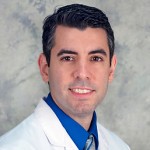
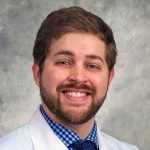
Dr. Matthew Imperioli, neurologist
Dr. Matthew Imperioli is a neurologist seeing patients in the UConn Health Outpatient Pavilion. He specializes in neuromuscular medicine and electromyography, and treats variety of neuromuscular disorders and diseases of the peripheral nervous system, including myopathy, myasthenia gravis, and autonomic disorders. Imperioli completed his neurology residency at UConn Health and a fellowship in neuromuscular medicine and electromyography at the University of Michigan Medical Center. His M.D. is from St. George’s University, Grenada.

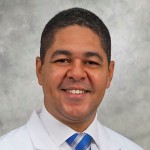
Dr. Bernardo Rodrigues, neurologist
Dr. Bernardo Rodrigues is a neurologist with expertise in movement disorders who offers treatment including botulinum toxin (Botox) injections and deep brain stimulation. He also sees patients in the Outpatient Pavilion. Rodrigues is a graduate of the UConn School of Medicine Neurology Residence Program. Before returning to UConn Health, he completed a fellowship in movement disorders at the University of Michigan Medical Center. He holds both an M.D. and a Ph.D. from Federal University of Bahia, Brazil. He is board certified in neurology and speaks English, Portuguese and Spanish.

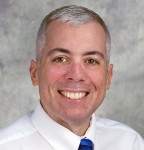
Dr. Jose Montes-Rivera, neurologist
Dr. Jose Montes-Rivera is another recent addition to UConn Health’s neurology faculty and is seeing patients in the Outpatient Pavilion. He specializes in general neurology and epilepsy. Montes-Rivera completed a fellowship in neurophysiology and electroencephalogram (EEG) interpretation, as well as his neurology residency, at Mount Sinai Medical Center in New York. He’s a graduate of the Robert Wood Johnson Medical School at Rutgers University.

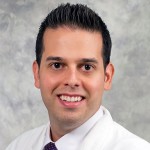
Dr. Houman Rezaizadeh, gastroenterologist
Dr. Houman Rezaizadeh is a gastroenterologist seeing patients in the Outpatient Pavilion. His expertise is in Barrett’s esophagus and gastroesophageal reflux disease (GERD). Rezaizadeh is specially trained in Barrett’s ablation. He remains at UConn Health, where he completed gastroenterology fellowship following his residency training in internal medicine at the University of Rochester Medical Center. Rezaizadeh earned his M.D. at New Jersey Medical School. He is board certified in internal medicine and board eligible in gastroenterology.

Dr. Mona Shahriari, dermatologist
Dr. Mona Shahriari is a UConn-trained dermatologist who sees patients in Farmington, at 21 South Road, and the UConn Health office in Canton, 117 Albany Turnpike. She practices general dermatology and has specialized interests in pediatric dermatology and pigmented lesions. Shahriari earned her M.D. at the UConn School of Medicine and completed a residency in dermatology at UConn Health, including as chief resident her final year. She also completed an internal medicine internship at Baystate Medical Center in Springfield. Shahriari is board certified in dermatology, and speaks English and Farsi. She also is associate director of clinical trials at UConn Health.

Dr. Glenn Konopaske, psychiatrist
Dr. Glenn Konopaske is a psychiatrist with expertise in a variety of psychiatric disorders, especially bipolar disorder. He sees patients in the Mood and Anxiety Disorders Program and in the Huntington’s Disease Program, where he’s medical director. He also is medical director of UConn Health’s Partial Hospital and Intensive Outpatient Program. Konopaske graduated from the UConn School of Medicine and from the UConn Health/Institute of Living Adult Psychiatry Residency program, then completed a fellowship in translational neuroscience at the Western Psychiatric Institute and Clinic in Pittsburgh.Konopaske rejoins UConn Health from MacLean Hospital in Belmont, Mass., where, as a member of the Harvard Medical School faculty, he saw patients in the Schizophrenia and Bipolar Disorder Program and the Clinical Evaluation Center, and conducted NIH-funded research of the biology of schizophrenia and bipolar disorder. He is board certified in psychiatry.

Photos by Janine Gelineau/UConn Health

UConn Observes National Primary Care Week (Updated)

October 30, 2015

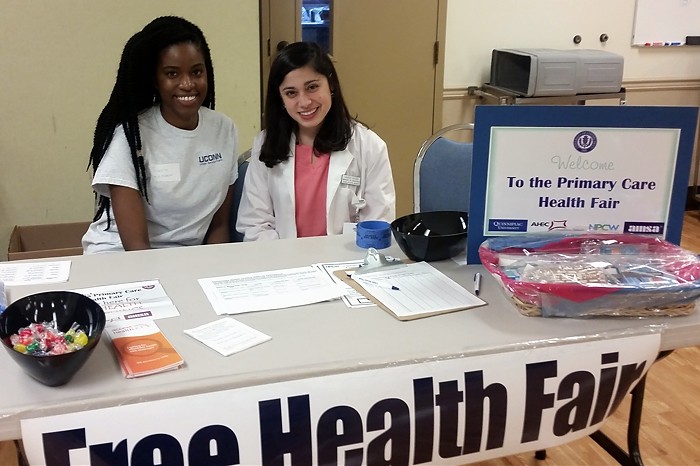
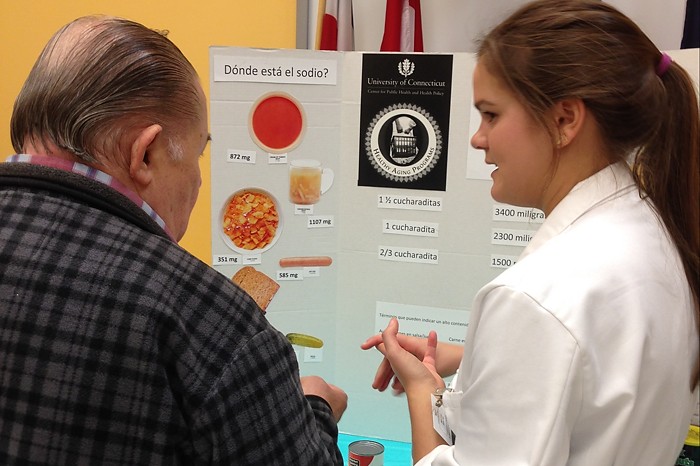
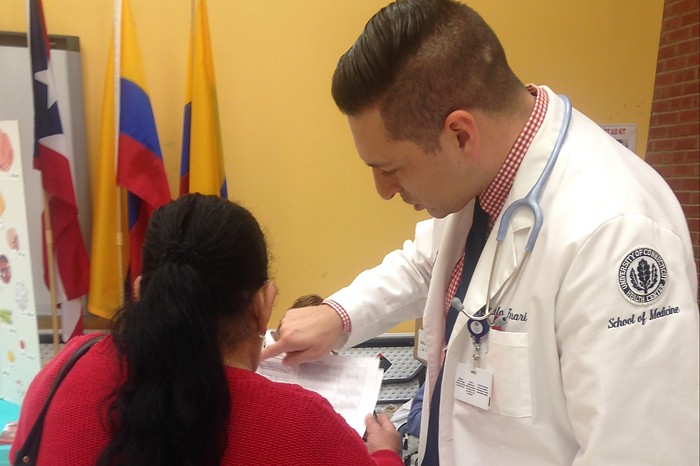
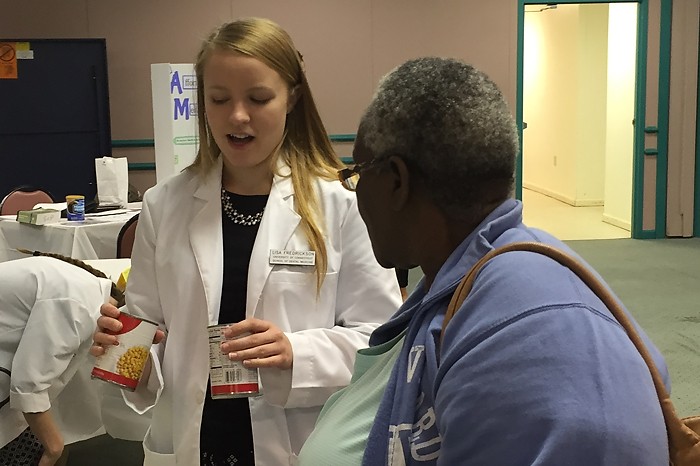
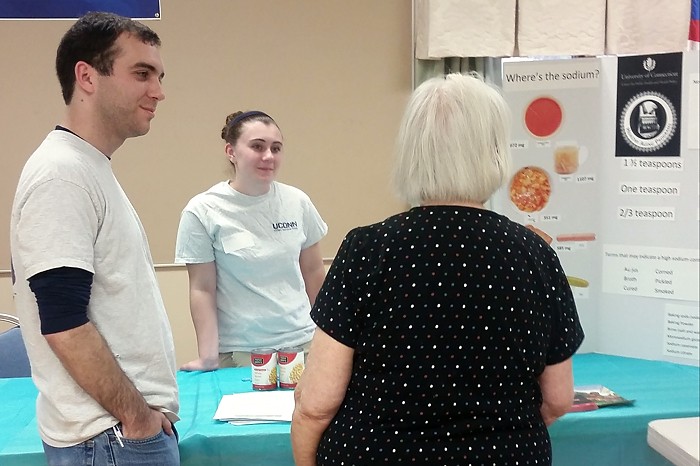
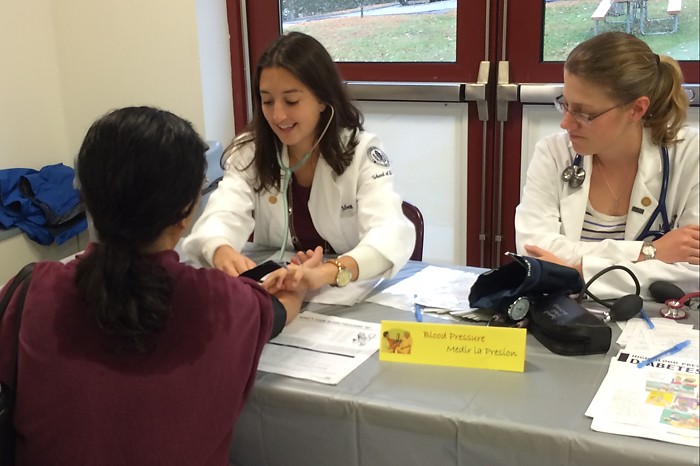
  • UConn medical student Jeanne Rolle and UConn dental student Lauren Dulieu staff the welcome station at the Mansfield Senior and Wellness Center during a National Primary Care Week community fair. (Nicole Davoren for UConn Health)
Interprofessionality—patient care from a team representing several disciplines working together—is the emphasis of UConn’s observance of National Primary Care Week.

The annual celebration of the contributions of primary care to community health this week included lunch-and-learn sessions, workshops, and community health fairs.

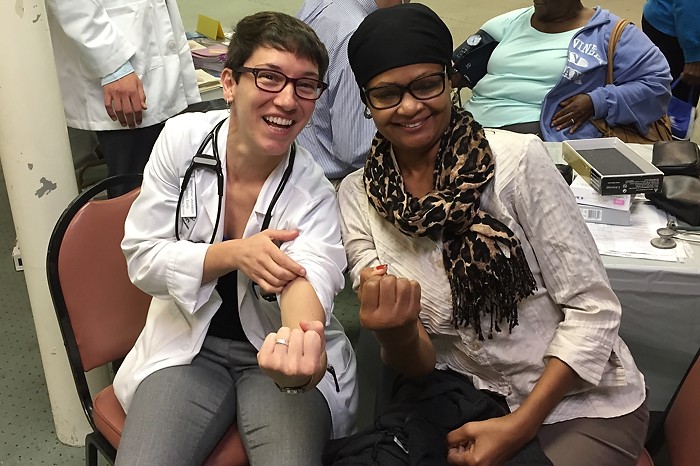
This year provided more than 1,250 student-hours of educational programming. During Wednesday’s community health fairs, 145 students and faculty members served nearly 400 patients.

UConn medical, dental, nursing, and pharmacy students, along with Quinnipiac University physician assistant students, staff the health fairs, offered free blood pressure and blood glucose screenings and providing health education materials covering topics such as oral health, nutrition, medication interaction, heart health and diabetes prevention.

Primary Care Week aims to introduce health professions students to the importance of community-responsive primary care, encourage their collaboration as members of future primary health care teams, and work to reduce problems in health care access experienced by underserved populations.

The lunch-and-learn sessions are now available via Mediasite:

Oct. 27:
http://mediasite.uchc.edu/mediasite41/Play/2834123cd0da404a9ce29a5b7c44dd431d

Oct. 29:
http://mediasite.uchc.edu/mediasite41/Play/34025cc9538a484ca0720c16db1775681d


UConn Primary Care Week Schedule

Saturday, Oct. 24

Retreat in the Berkshires
Presentation: “Revitalizing Underserved Communities: Principles in the Promise Zones” by Gina Federico Muslim, Community Solutions, NE Hartford

Monday, Oct. 26

Primary Care Dinner
Presentation: “The Future of Primary Care is Interprofessional” by Dr. Luis Padilla, Health Resources and National Health Service Corps

Tuesday, Oct. 27

Lunch & Learn Cross-campus Video Session
Presentation: “Interprofessional Team in Action: Suboxone Clinic” with Dr. Marwin Haddad and Interprofessional Provider Team, Community Health Center

Family Medicine Interest Group
Dermatology Hands-on Night at UConn Health

Wednesday, Oct. 28

Community Health Fairs

  • South End Senior Wellness Center, Hartford
  • Hispanic Senior Center, Hartford
  • North End Senior Center, Hartford
  • Community Health Services, Hartford
  • Hartford Public Library
  • New Britain Police Department
  • Mansfield Senior & Wellness Center
  • Mansfield Parks and Recreation
  • Dixwell-Newhallville Senior Center, New Haven
  • United Community & Family Services, Norwich

Thursday, Oct. 29

Lunch & Learn Cross-campus Video Session
Presentation: “Primary Care Practice 2025: A Mad Max World?” with Dr. Robert Zavoski, Connecticut Department of Social Services

Friday, Oct. 30

Interprofessional Educational Deans’ Afternoon

UConn a National Leader in Pain Education

UConn is now a Center of Excellence in Pain Education, as designated by the National Institutes of Health.

The NIH Pain Consortium, which is tasked with developing an agenda for, identifying key opportunities in, and increasing the visibility of pain research, has awarded funding to 11 health professional institutions as Centers of Excellence in Pain Education. UConn and Harvard are the only ones in New England.

“This topic is very important for medical education and for our interprofessional partners in health education,” says Dr. Suzanne Rose, UConn School of Medicine senior associate dean for education. “Being a Center of Excellence in this area is an outstanding accomplishment and will provide many opportunities for our learners and benefits our patients.”

The 11 centers are to serve as hubs for the development, evaluation and distribution of pain management curriculum resources for medical, dental, nursing, pharmacy and other schools. The objective is to enhance and improve how health care professionals are taught about pain and its treatment.

Renee Manworren of the UConn Schools of Medicine and Nursing is principal investigator in a grant that makes UConn one of 11 NIH Pain Consortium Centers of Excellence in Pain Education. (Photo provided by Renee Manworren)

The principal investigator for the UConn is Renee Manworren, nurse scientist, assistant professor of pediatrics at the UConn School of Medicine, and assistant professor at the UConn School of Nursing.

“Over 100 million Americans suffer everyday with pain; and our current prescription pain medication abuse epidemic is an unintended consequence of poorly coordinated efforts to treat their pain,” Manworren says. “We’ve known for a long time that the best treatment approach for relieving pain is multimodal and multidisciplinary; but we’ve been training our health care professionals in separate schools.

“In recent years we’ve shifted our thinking: We should be providing interprofessional training—engaging and educating medical, dental, nursing, pharmacy, psychiatry and physical therapy students—as a team so we can do a better job partnering with patients to manage their pain and build our pain research expertise.”

Manworren, a nurse practitioner who also holds a doctorate in clinical research, is part of the UConn School of Nursing’s Center for Advancement in Managing Pain and a member of a medical school curriculum redesign task force that focuses on interprofessional education.

“We’ve leveraged the redesign of our curriculum to offer training in new, better, and interactive ways to educate future physicians coming from UConn,” Manworren says.

The initial NIH award to UConn is nearly $78,000, with the potential for up to four annual renewals.

“We are committed to developing and testing interprofessional pain educational methods and modules that will lead to better pain management education across the nation and ultimately, better patient outcomes,” Manworren says.


Memory Loss: What’s Normal and What’s Not

October 28, 2015

We all on occasion forget where we put our car keys or the name of a person we recently met. But as we age, we begin to wonder if these lapses in memory are normal “forgetfulness” or signs of a memory disorder.

UConn Health’s Discovery Series program will explore memory loss in depth on Tuesday, November 10, at 7 p.m.  and provide information about:

  • The differences between normal forgetfulness and more serious memory problems
  • Diagnosis, treatment and prognosis
  • Caring for someone with a memory disorder

If you think you are having memory problems, or people close to you express concern about your memory, contact your physician. At UConn Heath, The James E.C. Walker, M.D., Memory Assessment Program provides a full range of services for patients who are concerned about memory related difficulties and for those who have already been diagnosed with a memory disorder.

According to the National Institute on Aging there are ways to keep your memory sharp:

  • Plan tasks, make “to do” lists, and use memory aids like notes and calendars.
  • Develop interests or hobbies and stay involved in activities that can help both the mind and body.
  • Engage in physical activity and exercise.
  • Limit alcohol use.
  • Find activities, such as exercise or a hobby, to relieve feelings of stress, anxiety, or depression.

The Discovery Series is free and open to the public. To register, call 800-535-6232 or visit discoveryseries.uchc.edu. The program is held in the Main Building, Keller Auditorium, 263 Farmington Avenue, Farmington. For directions, visit uchc.edu.

UConn Health Seeks Flu Vaccine Compliance

October 23, 2015

Staff, Students, Residents, Volunteers Need to Report Flu Vaccine Status

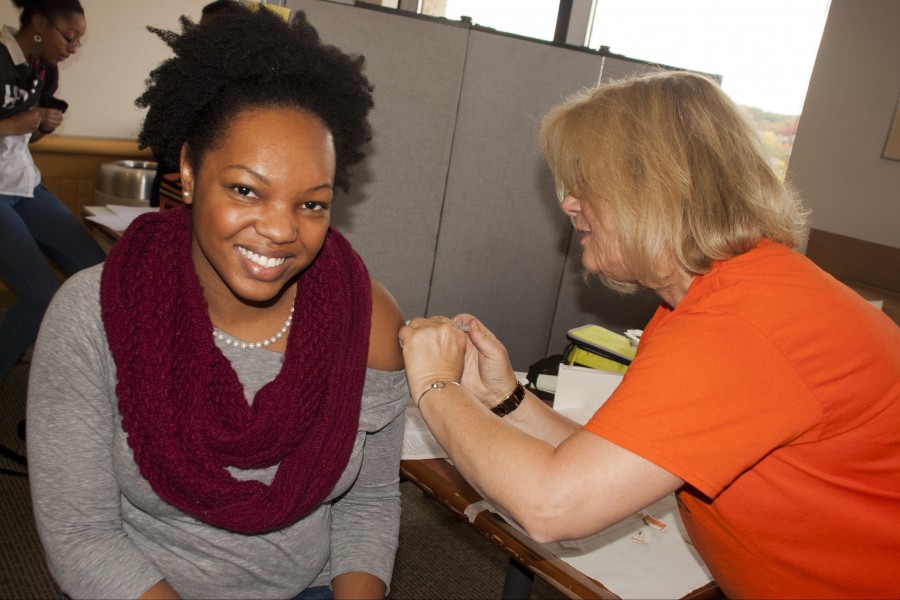
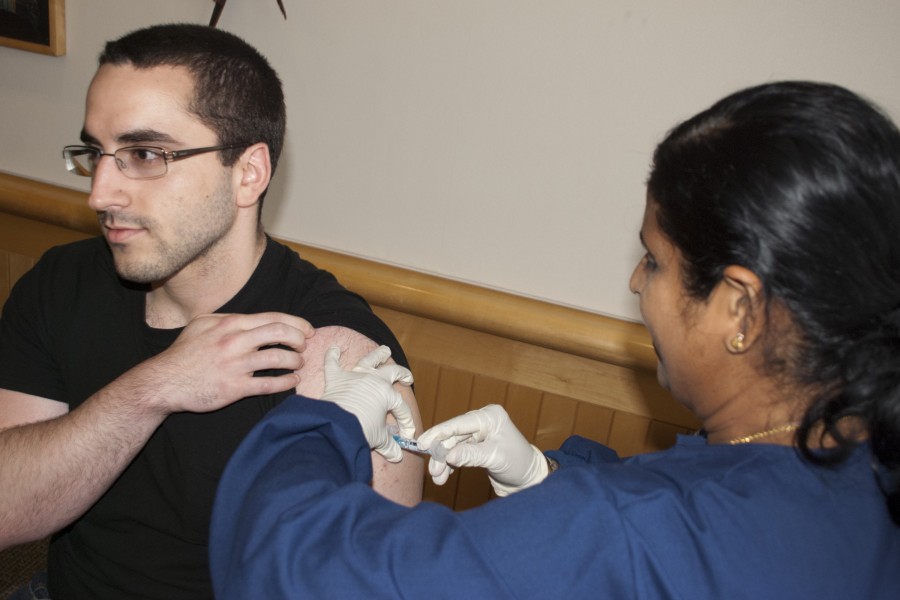
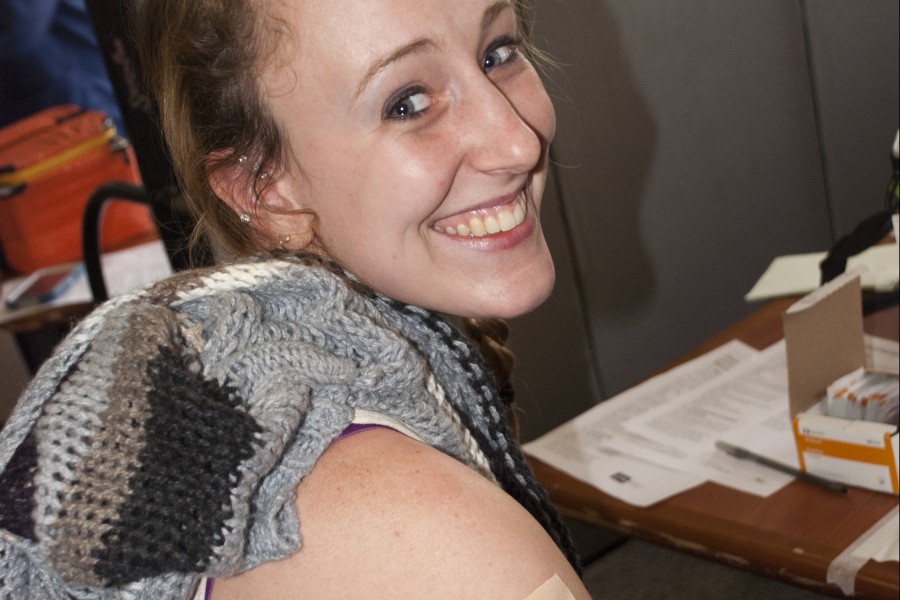
  • UConn Health is administering free flu shots to staff, students, residents and volunteers. In order to be in compliance with Center for Medicare and Medicaid Services guidelines, UConn Health must account for everyone's flu shot status (received or declined) and report the non-identifiable data every flu season. Those who decline the flu shot or who receive it somewhere else still must report to Employee Health Services to ensure the institution's compliance. (Janine Gelineau/UConn Health)
As flu season nears, UConn Health again is encouraging everyone to get a flu shot.

Although strongly recommended, especially for those who have contact with patients, it’s not required. But what is required is the reporting of influenza vaccine statistics for UConn Health staff, students, residents and volunteers in order for to the institution be in compliance with the Centers for Medicaid and Medicare.

“It is now mandatory to report your flu vaccination status here at UConn Health,” says Cheryl Marenick, the nurse who oversees the Employee Health Services flu vaccine program. “We need everyone’s cooperation. Your answer does not follow you and can’t be held against you.”

The information is not tied to any individual names or health records, is maintained in a password-protected database, and will remain confidential. Only the aggregate numbers are reported to CMS.

Even those who don’t want a flu shot can help with this effort by simply reporting to Employee Health Services which of the following applies to them:

  • Received the flu shot at UConn Health
  • Declined the flu shot
  • Received the flu shot somewhere else

Ideally, says Dr. Marc Croteau of the Employee Health Services clinical faculty, we all would report our flu vaccine status, and our response would be #1 or #3.

“Obtaining a yearly flu vaccine is an important public health matter,” Croteau says. “Individuals can transmit flu to others even before they realize that they are ill. Obtaining a flu vaccine not only protects you, it also helps protect your patients, your colleagues, as well as members of your family and community. This is why it is especially important for health care workers to get immunized against the flu. Your active participation is much appreciative.”

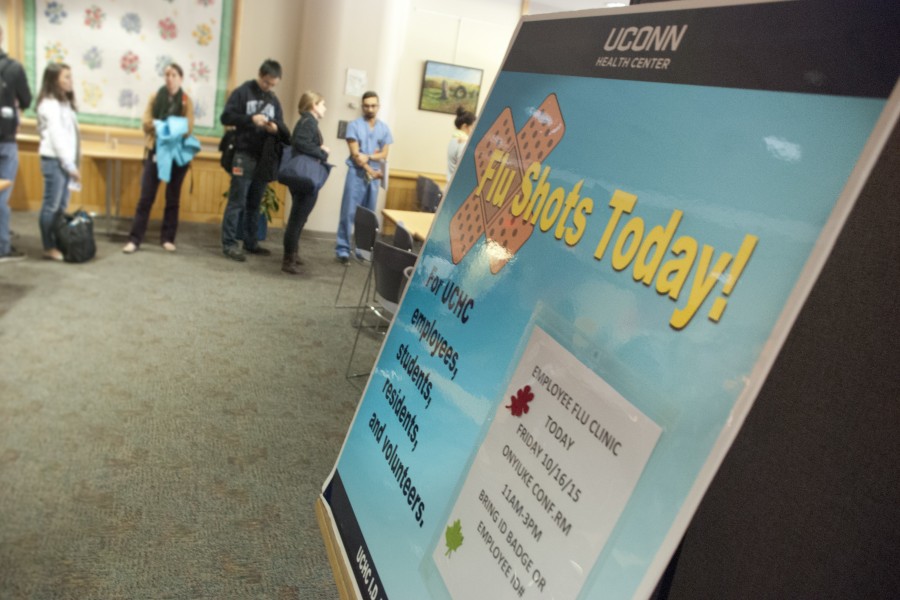
Staff, students and volunteers can schedule a free flu shot at Employee Health Services by calling x2893. Those who decline the flu shot or get it somewhere else can email their vaccine status to Louisa Pickett. Or they can take care of both at an upcoming walk-in flu clinic:

  • Thursday, Oct. 29, 10 a.m. to 1 p.m., 16 Munson Road
  • Monday, Nov. 2, 10 a.m. to 2 p.m., Onyiuke Dining Room
  • Monday, Nov. 16, 8 a.m. to 1 p.m., ARB large conference room
  • Monday, Nov. 23, 10:30 a.m. to 2:30 p.m., Outpatient Pavilion 7th floor conference room

Those who attend the walk-in clinic should bring their ID badge or employee number.