Can We Move (and Save) the Gift Shop?

March 22, 2019

Mural depicts potential new location for Connucopia Gift Shop
A mural shows passers-by where the new Connucopia Gift Shop would be located in the UConn Health main building if fundraising goals are met. The UConn Health Auxliary, which opened the gift shop in 1975, is seeking to relocate the shop a more heavily-traveled area in hopes of driving up sales and becoming sustainable again. (Photo by Jeff Eckleberry)

Picture the Connucopia Gift Shop celebrating its 45th anniversary next year by opening its doors amid heavy foot traffic in the heart of UConn Health’s main building.

Now, picture UConn Health with no gift shop at all.

A bustling gift shop historically is a key part of the culture of a successful hospital. But the gift shop at UConn Health is far from bustling. Sales have dwindled since its relocation to the University Tower mezzanine in 2016. This leaves the shop – and the UConn Health Auxiliary, which operates it – with a tenuous future.

The Auxiliary, which celebrates its 50th anniversary in May, has been a steady contributor of funding and programming to UConn Health for most of its history. UConn Health has the Auxiliary to thank for:

  • The Creative Child Center (originated as an Auxiliary program in 1977)
  • The UConn Health Art Collection (began as an Auxiliary program in 1979)
  • Scholarships and travel funds for medical, dental, public health and nursing students
  • The Dr. Jay Healy Endowed Chair in Medical Humanities and Bioethics
  • More than $9 million in financial support directly to the institution

A thriving gift shop made it possible for the Auxiliary to support the institution in these and other ways. To stabilize the Auxiliary’s future, the gift shop would need to thrive once again. The mission now is to find prime real estate – and the funding to build and relocate.

Today, the Auxiliary is asking for your support, working with the UConn Foundation toward a goal to raise $150,000 to move to a more prominent location.

In its heyday, conspicuously situated in the front lobby of the main building, the gift shop was the known go-to place for staff, patients, visitors, and students to pick up cards, flowers, snacks, and last-minute gifts, all tax-free. (Gift shop purchases are exempt from Connecticut sales tax because of the affiliation with the Auxiliary.)

The new target space abuts the heavily traveled corridor leading to the Food Court, between the Radiology Department and the hallway that connects the main building to the University Tower.

Walk from the Food Court toward the University Tower and you’ll notice signs designed to catch the eye of passers-by and help them envision a new shop in this location.

The fundraiser debuted with UConn Gives 2019, March 27 and 28. Together, we can keep the gift shop open and restore the success of the past – all in a new location that would drive business and enable the Auxiliary to thrive again! Make a donation today and watch for more information on how you can help in the weeks to come.

Helping Rebuild in Puerto Rico

March 21, 2019

Earlier this year, Carol Underwood, an application architect in the UConn Health IT Department, volunteered in Puerto Rico, helping build sustainable housing in a hurricane-ravaged area. Here she shares her story.

Carol Underwood hauling recyclables in Puerto Rico
UConn Health’s Carol Underwood hauls some of the recyclable materials used to build sustainable housing in Puerto Rico. (Photo provided by Carol Underwood)

My Visit to Puerto Rico January 2019

There was a palpable and audible crunch under foot. Dressed heavy, packed light, 8 degrees, 30 mph wind, I finally boarded my flight at Bradley International, canceled 24 hours earlier due to a winter storm. Amid a government shutdown, the Martin Luther King Jr. holiday, doubled-up travelers, stressed out TSA agents and air traffic controllers lacking paychecks, I launched for Aguadilla, Puerto Rico, escaping the arctic deep freeze.

I landed in Aguadilla at 4:15 a.m.: 69 degrees, temps rising that day to low 80s. I was met by Lt. Ryan Hammond, recovery helicopter pilot, and escorted onto Coast Guard Air Station Borinquen. Lt. Hammond, my nephew-in-law, also lacking paychecks due to government shutdown, told me the Coast Guard intercepted 25 Dominican citizens from the ocean that morning. Ryan, during my visit, rescued an injured woman on a sail boat on the other side of the Island; it was a 30-hour workday. I witnessed the U.S. Coast Guard, U.S. Department of Homeland Security, U.S. Customs and Border Patrol, air traffic controllers and TSA agents that got us passengers safely to our destinations, hard at work, under the circumstances.

I was finally in “paradise,” as my niece Nicole Hammond described Puerto Rico when the family moved there in August 2017, two weeks prior to Hurricane Irma skirting Puerto Rico and leaving one million residents without power. Then, two weeks later, Category 5 Hurricane Maria hit Puerto Rico square-on, leaving the Island a tangle of trees, power lines, debris, washed out roads and failed power, water, sanitation infrastructure.

‘The experience was exhilarating, working with locals, transplants and U.S. military people to help create a state-of-the-art self-sustainable off-grid building.’

The U.S. Coast Guard was integral in rescue and humanitarian operations. Air Station Borinquen is on the same power grid as the rest of Puerto Rico. Solar panels on base residential housing send power directly to the Island power grid and do not power homes directly. Due to no electricity, no water, impassable roads, military families including my niece, two children and a dog evacuated for several months while infrastructure was repaired. Not everyone could leave the Island of course. The Coast Guard did air drops of food, water and supplies, particularly in the mountainous area of central Puerto Rico where people were trapped and desperate. The situation was so bad, particularly in the mountains, Coast Guard crews were dropping their own rations to those below. Many people died in the aftermath of Maria. Morgues were full and could not accept any more bodies. Puerto Rico was left in a lurch.

Carol Underwood hauling recyclables in Puerto Rico
UConn Health’s Carol Underwood at the Earthship Puerto Rico worksite in January. (Photo provided by Carol Underwood)

Hurricane Maria devastated Puerto Rico and exposed the Island’s vulnerability to natural disasters and severe lack of homegrown food. Puerto Rico imports 85 percent of its food, all fuel is imported, there is very little solar and wind power generation where the sun usually shines and the wind steadily blows. Some say Maria was “the push we needed” to become more self-sufficient. Local people are part of a rising group of entrepreneurs advocating for more farms, solar powered micro grids, hurricane resistant housing.

Earthship Puerto Rico is a self-reliant community center being built in response to the devastation of Hurricane Maria. Lead by the Chapparos, a native Puerto Rican family who owns TaínaSoy Apiario (a local bee farm dedicated to sustainable practices and community), great things are coming together.

After hurricane, the Chaparros decided they were going to be an example for Puerto Rico. They teamed up with Earthship Biotecture in Taos, New Mexico. This community of architects created the building design behind the structures which are based on six principles:

  1. Building with natural and recycled materials – tires, beer bottles, aluminum cans, plastic, styrofoam
  2. Thermal cooling and heating systems
  3. Solar and wind electricity
  4. Water harvesting
  5. Contained sewage treatment
  6. Food production

As well as being hurricane- and earthquake-safe.

The Chaparros have built five independent structures in the past year. After completion, this Community Center will offer classes on sustainability practices as well as offering the West Coast of Puerto Rico a disaster response group ready for the next natural disaster. I had the privilege of volunteering my time and labor while visiting Puerto Rico. Myself and other volunteers worked clearing brush, moving recyclables, concrete mixers, building tools and materials to prepare for the final build. The experience was exhilarating, working with locals, transplants and U.S. military people to help create a state-of-the-art self-sustainable off-grid building – Earthship Puerto Rico.

The Chaparros have an open invitation to those who would like to volunteer or visit this amazing project. Se Levanta Puerto Rico is the chant heard on the Island now – “Rise up, Puerto Rico, it’s a new beginning.”

Learn more about the final build and view a two-minute video of the project.

—Carol Underwood

UConn Health April 2019 Programs, Events

Here is a list of UConn Health programs scheduled for April and early May 2019. This information will be updated with any additions or other schedule changes.

Living Well With Epilepsy: A Support Group for Young Adults
Saturday, April 6, noon to 1:30 p.m.
, UConn Health Outpatient Pavilion, 2nd floor large conference room S2010

The Epilepsy Foundation of Connecticut, in partnership with the UConn Health Department of Neurology, offers a support group for young adults who live with epilepsy. This group is open to those aged 18 to 30 who would like to join others to share experience, gain peer support, and learn together about epilepsy and overcoming its challenges to live well. The group generally meets on the first Saturday of the month. Please call 860-346-1924 or email manzelone.efct@sbcglobal.net for more information.

Bladder Cancer Support Group
Saturday, April 6, 2 to 3 p.m.
, UConn Health, Onyiuke Dining Room
Patients, family members and caregivers (not limited to UConn Health patients) are invited to join others whose lives have been touched by bladder cancer. This month, UConn Health’s oncology dietitian joins as a guest speaker. This support group, established in partnership with the Bladder Cancer Advocacy Network, usually meets on the first Saturday of the month and is the only group of its kind in New England. Call 888-901-BCAN for more information.

Free Hospital Maternity Tours
Saturday, April 6, 2 p.m.
, UConn Health, University Tower lobby
A representative will guide you through labor and delivery, postpartum, and the nursery at the UConn John Dempsey Hospital. Children and grandparents are welcome. Call 800-535-6232 to register or for more information.

Childbirth Preparation Class
Friday, April 12, 6 to 10 p.m.
, UConn Health Outpatient Pavilion, 3rd floor large conference room S3301
This one-day class covers anatomy and physiology of pregnancy and labor, emotions of pregnancy, nutrition, fetal growth and development, comfort measures for labor, working with unexpected events in labor, cesarean delivery, and practice of relaxation and breathing techniques for labor. Class size is limited to eight couples. Remember to bring two pillows and wear comfortable clothing. Light snack is provided. Fee is $100. Call 800-535-6232 or 860-679-7692 to register or for more information.

Childbirth Preparation Class
Saturday, April 13, 10 a.m. to 2 p.m., UConn Health Outpatient Pavilion, 3rd floor large conference room S3301
This one-day class covers anatomy and physiology of pregnancy and labor, emotions of pregnancy, nutrition, fetal growth and development, comfort measures for labor, working with unexpected events in labor, cesarean delivery, and practice of relaxation and breathing techniques for labor. Class size is limited to eight couples. Remember to bring two pillows and wear comfortable clothing. Light snack is provided. Fee is $100. Call 800-535-6232 or 860-679-7692 to register or for more information.

Breastfeeding Class
Wednesday, April 17, 6 to 8 p.m.
, UConn Health, Onyiuke Dining room
A certified lactation consultant leads a discussion of topics including the benefits of breastfeeding, how to get started, and how the rest of the family can help the breastfeeding mother as well as how to continue breastfeeding and working. Fee is $25 per couple. Call 800-535-6232 to register or for more information.

Living Well With Heart Disease Meeting
Thursday, April 18, 11 a.m. to noon
, UConn Health, University Tower, 2nd floor conference room

Men and women affected by heart disease meet to discuss post-diagnosis topics such as prevention and wellness, social and emotional support, heart-healthy recipes, coping strategies and resources. Significant others and caregivers are also welcome to attend. Please call Sue at 860-679-3633 for more information.

Breast Cancer Support Group
Thursday, April 18, 7 to 8 p.m.
, UConn Health, Onyiuke Dining Room
This is a support group intended for women under the age of 45 who’ve been diagnosed with non-metastatic breast cancer. Women at any point in their cancer survivorship journey are welcome. Meetings are the third Thursday of the month. To register or more information, call 860-679-7820 or email tillinghast@uchc.edu.

Infertility Peer Support Group
Thursday, April 18, 7 to 8:30 p.m.
, Center for Advanced Reproductive Services, 2 Batterson Park Road, Farmington.

The Greater Hartford chapter of RESOLVE, a national nonprofit resource for those facing the challenges of infertility, offers support, information and confidential, informal, peer-led discussions on the third Thursday of the month. To learn more or to check for weather-related cancellation, call 860-523-8337.

Free Hospital Maternity Tours
Saturday, April 20, 2 p.m.
, UConn Health, University Tower lobby
A representative will guide you through labor and delivery, postpartum, and the nursery at the UConn John Dempsey Hospital. Children and grandparents are welcome. Call 800-535-6232 to register or for more information.

Stroke Survivor Group
Wednesday, April 24, noon to 1 p.m.
, UConn Health Outpatient Pavilion, 3rd floor
The UConn Health Stroke Center invites stroke survivors, families and caregivers to a monthly group meeting to discuss topics such as prevention, coping methods, support systems, rehabilitation tips, resources, and promoting independence. The Stroke Survivor Group generally meets on the fourth Wednesday of the month. Call 860-679-4846 for more information.

New Brain Aneurysm Support Group
Thursday, April 25, 3 to 4 p.m.
, UConn Health, Outpatient Pavilion, 6th floor large conference room.

In partnership with the Brain Aneurysm Foundation, UConn Health now offers an educational setting to provide support for patients and survivors of brain aneurysm, as well as caregivers, family and friends. The group will meet on the fourth Thursday of the month. Attendees will discuss recovery topics and learn about helpful resources, all in an environment to foster reassurance and personal exchange. To learn more, call Deb Feigenbaum, MSW, LCSW, at 860-679-2377 or email feigenbaum@uchc.edu.

Free Workshop: “Things to Consider Before Joining a Research Study”
Monday, April 29, 5 p.m.
, UConn Health, Onyiuke Dining Room

The UConn Health Human Subjects Protection Office offers an educational session about the rights and responsibilities of participants in research projects on the last Monday of the month. Registration is required: 860-679-8802 or cagganello@uchc.edu.

Living Well With Epilepsy: A Support Group for Young Adults
Saturday, May 4, noon to 1:30 p.m.
, UConn Health Outpatient Pavilion, 2nd floor large conference room S2010
The Epilepsy Foundation of Connecticut, in partnership with the UConn Health Department of Neurology, offers a support group for young adults who live with epilepsy. This group is open to those aged 18 to 30 who would like to join others to share experience, gain peer support, and learn together about epilepsy and overcoming its challenges to live well. The group generally meets on the first Saturday of the month. Please call 860-346-1924 or email manzelone.efct@sbcglobal.net for more information.

Bladder Cancer Support Group
Saturday, March 4, 2 to 3 p.m.
, UConn Health, Onyiuke Dining Room
Patients, family members and caregivers (not limited to UConn Health patients) are invited to join others whose lives have been touched by bladder cancer. This support group, established in partnership with the Bladder Cancer Advocacy Network, usually meets on the first Saturday of the month and is the only group of its kind in New England. Call 888-901-BCAN for more information.

Free Hospital Maternity Tours
Saturday, May 4, 2 p.m.
, UConn Health, University Tower lobby
A representative will guide you through labor and delivery, postpartum, and the nursery at the UConn John Dempsey Hospital. Children and grandparents are welcome. Call 800-535-6232 to register or for more information.

Breastfeeding Class
Wednesday, May 8, 6 to 8 p.m.
, UConn Health, Onyiuke Dining room
A certified lactation consultant leads a discussion of topics including the benefits of breastfeeding, how to get started, and how the rest of the family can help the breastfeeding mother as well as how to continue breastfeeding and working. Fee is $25 per couple. Call 800-535-6232 to register or for more information.

Living Well With Heart Disease Meeting
Thursday, May 16, 11 a.m. to noon
, UConn Health, University Tower, 2nd floor conference room
Men and women affected by heart disease meet to discuss post-diagnosis topics such as prevention and wellness, social and emotional support, heart-healthy recipes, coping strategies and resources. Significant others and caregivers are also welcome to attend. Please call Sue at 860-679-3633 for more information.

Directions to UConn Health are available at health.uconn.edu/locations.

When Others Close, We’re Open

March 14, 2019

Three skid steer machines (left) and three plow trucks are among the equipment Facilities Management and Operations crews use for snow removal. (Photo by Joe Caron)

When severe winter weather strikes, it’s tempting to expect a snow day, especially when we hear things in the media like “The governor has sent Level 2 state employees home early” or “UConn and its regional campuses are closed today.”

But UConn Health is on its own when it comes to emergency closings – understandably so, given the nature of our work, which makes us unique among state agencies.

What Goes in to the Decision

Snowy campus
UConn Health campus in the snow on January 5, 2018 (Tina Encarnacion/UConn Health photo)

We act independently because of our operational obligations, primarily in patient care and the services that support it. Of course, even when we’re “closed,” we’re not really closed, as our most crucial functions must continue without interruption.

This is why it is our practice (and policy) that we separate ourselves from the weather-related announcements that pertain to the rest of UConn or that come from the governor’s office pertaining to all state employees.

Consider all UConn Health units as maintaining normal operations until and unless it is announced otherwise by UConn Health. These announcements come by way of the operational status hotline (860-679-2001) and often are supplemented with UConn Health Advisory email blasts and updates on our Closings and Cancellations page.

Other Considerations

A large portion of our work simply can’t wait until the next day when travel conditions have improved. Therefore, we have to do our best to balance our need to fulfill our institution’s missions and the safety of our patients, staff and students. It’s important to understand that these are decisions that need to be made far enough in advance to allow time for those impacted to adjust their lives accordingly.

Also taken into account is the fact that we have our own facilities staff reliably working to make our campus as safe as possible, plus a logistics team that ensures we will have the necessary supplies to continue our critical operations, and a public safety presence that has police and fire personnel working around the clock.

Sesquicentennial Issue

March 7, 2019

This is the 150th issue of the Pulse! We hope we’ve continued to deliver on our mission to reliably deliver timely, relevant stories, people news, and important events every week. The idea is to have you read and then say, “I learned something today.”

We’re not sure what the standard gift is for the 150th anniversary, so we’re going with “suggestion box.”

UConn Health March 2019 Programs, Events

February 22, 2019

Here is a list of UConn Health programs scheduled for March and early April 2019. This information will be updated with any additions or other schedule changes.

Living Well With Epilepsy: A Support Group for Young Adults
Saturday, March 2, noon to 1:30 p.m.
, UConn Health Outpatient Pavilion, 2nd floor large conference room S2010
The Epilepsy Foundation of Connecticut, in partnership with the UConn Health Department of Neurology, offers a support group for young adults who live with epilepsy. This group is open to those aged 18 to 30 who would like to join others to share experience, gain peer support, and learn together about epilepsy and overcoming its challenges to live well. The group generally meets on the first Saturday of the month. Please call 860-346-1924 or email manzelone.efct@sbcglobal.net for more information.

Bladder Cancer Support Group
Saturday, March 2, 2 to 3 p.m.
, UConn Health, Onyiuke Dining Room
Patients, family members and caregivers (not limited to UConn Health patients) are invited to join others whose lives have been touched by bladder cancer. This support group, established in partnership with the Bladder Cancer Advocacy Network, usually meets on the first Saturday of the month and is the only group of its kind in New England. Call 888-901-BCAN for more information.

Free Hospital Maternity Tours
Saturday, March 9, 2 p.m.
, UConn Health, University Tower lobby
A representative will guide you through labor and delivery, postpartum, and the nursery at the UConn John Dempsey Hospital. Children and grandparents are welcome. Call 800-535-6232 to register or for more information.

Breastfeeding Class
Wednesday, March 13, 6 to 8 p.m.
, UConn Health, Onyiuke Dining room
A certified lactation consultant leads a discussion of topics including the benefits of breastfeeding, how to get started, and how the rest of the family can help the breastfeeding mother as well as how to continue breastfeeding and working. Fee is $25 per couple. Call 800-535-6232 to register or for more information.

Living With Heart Disease Meeting
Thursday, March 21, 11 a.m. to noon
, UConn Health, University Tower, 2nd floor conference room
Men and women affected by heart disease meet to discuss post-diagnosis topics such as prevention and wellness, social and emotional support, heart-healthy recipes, coping strategies and resources. Significant others and caregivers are also welcome to attend. Please call Sue at 860-679-3633 for more information.

Breast Cancer Support Group
Thursday, March 21, 7 to 8 p.m.
, UConn Health, Onyiuke Dining Room
This is a support group intended for women under the age of 45 who’ve been diagnosed with non-metastatic breast cancer. Women at any point in their cancer survivorship journey are welcome. Meetings are the third Thursday of the month. To register or more information, call 860-679-7820 or email tillinghast@uchc.edu.

Infertility Peer Support Group
Thursday, March 21, 7 to 8:30 p.m.
, Center for Advanced Reproductive Services, 2 Batterson Park Road, Farmington.
The Greater Hartford chapter of RESOLVE, a national nonprofit resource for those facing the challenges of infertility, offers support, information and confidential, informal, peer-led discussions on the third Thursday of the month. To learn more or to check for weather-related cancellation, call 860-523-8337.

Childbirth Preparation Class
Friday, March 22, 6 to 10 p.m.
, UConn Health Outpatient Pavilion, 3rd floor large conference room S3301
This one-day class covers anatomy and physiology of pregnancy and labor, emotions of pregnancy, nutrition, fetal growth and development, comfort measures for labor, working with unexpected events in labor, cesarean delivery, and practice of relaxation and breathing techniques for labor. Class size is limited to eight couples. Remember to bring two pillows and wear comfortable clothing. Light snack is provided. Fee is $100. Call 800-535-6232 or 860-679-7692 to register or for more information.

Childbirth Preparation Class
Saturday, March 23, 10 a.m. to 2 p.m., UConn Health Outpatient Pavilion, 3rd floor large conference room S3301
This one-day class covers anatomy and physiology of pregnancy and labor, emotions of pregnancy, nutrition, fetal growth and development, comfort measures for labor, working with unexpected events in labor, cesarean delivery, and practice of relaxation and breathing techniques for labor. Class size is limited to eight couples. Remember to bring two pillows and wear comfortable clothing. Light snack is provided. Fee is $100. Call 800-535-6232 or 860-679-7692 to register or for more information.

Free Hospital Maternity Tours
Saturday, March. 23, 2 p.m.
, UConn Health, University Tower lobby
A representative will guide you through labor and delivery, postpartum, and the nursery at the UConn John Dempsey Hospital. Children and grandparents are welcome. Call 800-535-6232 to register or for more information.

Free Workshop: “Things to Consider Before Joining a Research Study”
Monday, March 25, 5 p.m.
, UConn Health, Onyiuke Dining Room
The UConn Health Human Subjects Protection Office offers an educational session about the rights and responsibilities of participants in research projects on the last Monday of the month. Registration is required: 860-679-8802 or cagganello@uchc.edu.

Stroke Survivor Group
Wednesday, March 27, noon to 1 p.m.
, UConn Health Outpatient Pavilion, 3rd floor
The UConn Health Stroke Center invites stroke survivors, families and caregivers to a monthly group meeting to discuss topics such as prevention, coping methods, support systems, rehabilitation tips, resources, and promoting independence. The Stroke Survivor Group generally meets on the fourth Wednesday of the month. Call 860-679-4846 for more information.

New Brain Aneurysm Support Group
Thursday, March 28, 3 to 4 p.m.
, UConn Health, Outpatient Pavilion, 6th floor large conference room.
In partnership with the Brain Aneurysm Foundation, UConn Health now offers an educational setting to provide support for patients and survivors of brain aneurysm, as well as caregivers, family and friends. The group will meet on the fourth Thursday of the month. Attendees will discuss recovery topics and learn about helpful resources, all in an environment to foster reassurance and personal exchange. To learn more, call Deb Feigenbaum, MSW, LCSW, at 860-679-2377 or email feigenbaum@uchc.edu.

Living Well With Epilepsy: A Support Group for Young Adults
Saturday, April 6, noon to 1:30 p.m.
, UConn Health Outpatient Pavilion, 2nd floor large conference room S2010
The Epilepsy Foundation of Connecticut, in partnership with the UConn Health Department of Neurology, offers a support group for young adults who live with epilepsy. This group is open to those aged 18 to 30 who would like to join others to share experience, gain peer support, and learn together about epilepsy and overcoming its challenges to live well. The group generally meets on the first Saturday of the month. Please call 860-346-1924 or email manzelone.efct@sbcglobal.net for more information.

Bladder Cancer Support Group
Saturday, April 6, 2 to 3 p.m.
, UConn Health, Onyiuke Dining Room
Patients, family members and caregivers (not limited to UConn Health patients) are invited to join others whose lives have been touched by bladder cancer. This month, UConn Health’s oncology dietitian joins as a guest speaker. This support group, established in partnership with the Bladder Cancer Advocacy Network, usually meets on the first Saturday of the month and is the only group of its kind in New England. Call 888-901-BCAN for more information.

Free Hospital Maternity Tours
Saturday, April 6, 2 p.m.
, UConn Health, University Tower lobby
A representative will guide you through labor and delivery, postpartum, and the nursery at the UConn John Dempsey Hospital. Children and grandparents are welcome. Call 800-535-6232 to register or for more information.

Childbirth Preparation Class
Friday, April 12, 6 to 10 p.m.
, UConn Health Outpatient Pavilion, 3rd floor large conference room S3301
This one-day class covers anatomy and physiology of pregnancy and labor, emotions of pregnancy, nutrition, fetal growth and development, comfort measures for labor, working with unexpected events in labor, cesarean delivery, and practice of relaxation and breathing techniques for labor. Class size is limited to eight couples. Remember to bring two pillows and wear comfortable clothing. Light snack is provided. Fee is $100. Call 800-535-6232 or 860-679-7692 to register or for more information.

Childbirth Preparation Class
Saturday, April 13, 10 a.m. to 2 p.m., UConn Health Outpatient Pavilion, 3rd floor large conference room S3301
This one-day class covers anatomy and physiology of pregnancy and labor, emotions of pregnancy, nutrition, fetal growth and development, comfort measures for labor, working with unexpected events in labor, cesarean delivery, and practice of relaxation and breathing techniques for labor. Class size is limited to eight couples. Remember to bring two pillows and wear comfortable clothing. Light snack is provided. Fee is $100. Call 800-535-6232 or 860-679-7692 to register or for more information.

Directions to UConn Health are available at health.uconn.edu/locations.

Spotlight on Services: Orthodontics

February 21, 2019

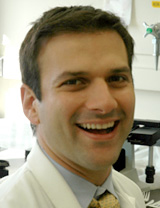
Dr. Flavio Uribe
Dr. Flavio Uribe, UConn School of Dental Medicine

Whether the need is for a straighter smile or better bite, the Center for Orthodontic Care at UConn Health, located in the 6th floor of the Outpatient Pavilion on the Farmington campus, is ready to offer a customized treatment approach. Dr. Flavio Uribe, interim chair of the UConn School of Dental Medicine Division of Orthodontics, is clinic director.

Why is a healthy smile so important, particularly in children?

Creating beautiful smiles that will have a lasting effect on the well-being of our patients is at the core of what we do as orthodontists.

Smiles are contagious and help to spread positivity and joy. Children’s perception of their smile can influence their self-esteem and psychosocial development. Having a beautiful smile can help patients look and feel better about themselves, which has a significant impact on multiple aspects of their life.

As orthodontists, we are always striving to provide unique and beautiful smiles to our patients, and we believe that every patient deserves to feel the self-confidence that results from orthodontic treatment.

What about the overall health aspects of orthodontic care?

While there are numerous aesthetic and psychosocial benefits associated with a beautiful smile, one of the fundamental principles of our profession is to create an oral environment that fosters proper function and overall dental health.

It is typically recommended that children begin seeing an orthodontist by the age of 7 to evaluate their growth and overall dental development. Starting at this age, there is a potential for intervention which can help prevent worsening of dental problems. This is also the age during which psychosocial development may be the most impacted.

What are some recent advances in care that the Center for Orthodontic Care can offer?

There have been many exciting developments in the field of orthodontics over the past couple of decades which have helped to broaden the scope of treatment we are able to provide as well as aid in providing faster, more efficient treatment. Advances such as 3D imaging, digital scanners, and the mainstream use of clear aligners are some of the ways in which we can treat a range of complex malocclusions (misalignment of the teeth or bite) that once may have been difficult.

The added benefit of innovation in orthodontics has been improving the ease and accessibility of orthodontic care, which continues to reach a broader spectrum of patients from what was once predominantly children and adolescents to more and more adults seeking orthodontic treatment.

We take pride in staying on the cutting edge of technology and research to provide our patients with the highest standard of orthodontic care possible.

How is it determined if a patient is a candidate for braces (or other orthodontic intervention)?

It starts with a screening examination to determine if the patient would benefit from braces. (There is no charge for this initial examination.)

If we determine the patient would benefit, the next step is a records appointment, where we do imaging work, take models of the teeth, conduct a thorough clinical exam, and review medical history.

From there we come up with a diagnosis and a treatment plan. Sometimes this can include surgical orthodontics first before we can proceed with braces. We then discuss the risks and benefits of the proposed treatment with the patient (and parent, when applicable), answer their questions, and if all are in agreement, we move forward.

What should we know about “invisible” braces?

Traditional braces involve metal or ceramic brackets or bands that are glued to the teeth. A wire runs through each one to gradually move the teeth over time, resulting in a corrected bite and/or smile.

An alternative to traditional braces is a clear-aligner treatment, commonly known as Invisalign. This treatment uses transparent orthodontic devices that are removable, although we recommend leaving them in all the time to get the desired results. As the brand name suggests, the aligners are nearly invisible, which makes this approach very popular. It can be a treatment option in many circumstances.

Learn more about orthodontic care at UConn Health, or call 860-679-2664 for an appointment.

UConn Health February 2019 Programs, Events

January 29, 2019

Here is a list of UConn Health programs scheduled for February and early March 2019. This information will be updated with any additions or other schedule changes.

Living Well With Epilepsy: A Support Group for Young Adults
Saturday, Feb. 2, noon to 1:30 p.m.
, UConn Health Outpatient Pavilion, 2nd floor large conference room S2010

The Epilepsy Foundation of Connecticut, in partnership with the UConn Health Department of Neurology, offers a support group for young adults who live with epilepsy. This group is open to those aged 18 to 30 who would like to join others to share experience, gain peer support, and learn together about epilepsy and overcoming its challenges to live well. The group generally meets on the first Saturday of the month. Please call 860-346-1924 or email manzelone.efct@sbcglobal.net for more information.

Bladder Cancer Support Group
Saturday, Feb. 2, 2 to 3 p.m.
, UConn Health, Onyiuke Dining Room
Patients, family members and caregivers (not limited to UConn Health patients) are invited to join others whose lives have been touched by bladder cancer. This month, UConn Health’s oncology dietitian joins as a guest speaker. This support group, established in partnership with the Bladder Cancer Advocacy Network, usually meets on the first Saturday of the month and is the only group of its kind in New England. Call 888-901-BCAN for more information.

‘Docs and Divas’
Wednesday, Feb. 6, 6 to 8 p.m.
, La Belle Chateau Salon & Spa, 55 Mill St., Unionville

UConn Health’s free educational series “Docs and Divas” features Dr. Jullian Fortier, UConn Health plastic surgeon, discussing the latest cosmetic trends for aging gracefully and looking your best. Treatment discounts, free samples, prizes and live demonstrations are included. Learn more, and register online by Jan. 31, at h.uconn.edu/docs-and-divas.

Childbirth Preparation Class
Friday, Feb. 8, 6 to 10 p.m.
, UConn Health Outpatient Pavilion, 3rd floor large conference room S3301
This one-day class covers anatomy and physiology of pregnancy and labor, emotions of pregnancy, nutrition, fetal growth and development, comfort measures for labor, working with unexpected events in labor, cesarean delivery, and practice of relaxation and breathing techniques for labor. Class size is limited to eight couples. Remember to bring two pillows and wear comfortable clothing. Light snack is provided. Fee is $100. Call 800-535-6232 or 860-679-7692 to register or for more information.

Childbirth Preparation Class
Saturday, Feb. 9, 10 a.m. to 2 p.m., UConn Health Outpatient Pavilion, 3rd floor large conference room S3301
This one-day class covers anatomy and physiology of pregnancy and labor, emotions of pregnancy, nutrition, fetal growth and development, comfort measures for labor, working with unexpected events in labor, cesarean delivery, and practice of relaxation and breathing techniques for labor. Class size is limited to eight couples. Remember to bring two pillows and wear comfortable clothing. Light snack is provided. Fee is $100. Call 800-535-6232 or 860-679-7692 to register or for more information.

Free Hospital Maternity Tours
Saturday, Feb. 9, 2 p.m.
, UConn Health, University Tower lobby
A representative will guide you through labor and delivery, postpartum, and the nursery at the UConn John Dempsey Hospital. Children and grandparents are welcome. Call 800-535-6232 to register or for more information.

Breastfeeding Class
Wednesday, Feb. 13, 6 to 8 p.m.
, UConn Health Outpatient Pavilion, 3rd floor large conference room S3301
A certified lactation consultant leads a discussion of topics including the benefits of breastfeeding, how to get started, and how the rest of the family can help the breastfeeding mother as well as how to continue breastfeeding and working. Fee is $25 per couple. Call 800-535-6232 to register or for more information.

Breast Cancer Support Group
Thursday, Feb. 21, 7 to 8 p.m.
, UConn Health, Onyiuke Dining Room
This is a support group intended for women under the age of 45 who’ve been diagnosed with non-metastatic breast cancer. Women at any point in their cancer survivorship journey are welcome. Meetings are the third Thursday of the month. To register or more information, call 860-679-7820 or email tillinghast@uchc.edu.

Infertility Peer Support Group
Thursday, Feb. 21, 7 to 8:30 p.m.
, Center for Advanced Reproductive Services, 2 Batterson Park Road, Farmington.

The Greater Hartford chapter of RESOLVE, a national nonprofit resource for those facing the challenges of infertility, offers support, information and confidential, informal, peer-led discussions on the third Thursday of the month. To learn more or to check for weather-related cancellation, call 860-523-8337.

Free Hospital Maternity Tours
Saturday, Feb. 23, 2 p.m.
, UConn Health, University Tower lobby
A representative will guide you through labor and delivery, postpartum, and the nursery at the UConn John Dempsey Hospital. Children and grandparents are welcome. Call 800-535-6232 to register or for more information.

Free Workshop: “Things to Consider Before Joining a Research Study”
Monday, Feb. 25, 5 p.m.
, UConn Health, Onyiuke Dining Room

The UConn Health Human Subjects Protection Office offers an educational session about the rights and responsibilities of participants in research projects on the last Monday of the month. Registration is required: 860-679-8802 or cagganello@uchc.edu.

Stroke Survivor Group
Wednesday, Feb. 27, noon to 1 p.m.
, UConn Health Outpatient Pavilion, 3rd floor
The UConn Health Stroke Center invites stroke survivors, families and caregivers to a monthly group meeting to discuss topics such as prevention, coping methods, support systems, rehabilitation tips, resources, and promoting independence. The Stroke Survivor Group generally meets on the fourth Wednesday of the month. Call 860-679-4846 for more information.

New Brain Aneurysm Support Group
Thursday, Feb. 28, 3 to 4 p.m.
, UConn Health, Outpatient Pavilion, 6th floor large conference room.
In partnership with the Brain Aneurysm Foundation, UConn Health now offers an educational setting to provide support for patients and survivors of brain aneurysm, as well as caregivers, family and friends. The group will meet on the fourth Thursday of the month. Attendees will discuss recovery topics and learn about helpful resources, all in an environment to foster reassurance and personal exchange. To learn more, call Deb Feigenbaum, MSW, LCSW, at 860-679-2377 or email feigenbaum@uchc.edu.

Living Well With Epilepsy: A Support Group for Young Adults
Saturday, March 2, noon to 1:30 p.m.
, UConn Health Outpatient Pavilion, 2nd floor large conference room S2010
The Epilepsy Foundation of Connecticut, in partnership with the UConn Health Department of Neurology, offers a support group for young adults who live with epilepsy. This group is open to those aged 18 to 30 who would like to join others to share experience, gain peer support, and learn together about epilepsy and overcoming its challenges to live well. The group generally meets on the first Saturday of the month. Please call 860-346-1924 or email manzelone.efct@sbcglobal.net for more information.

Bladder Cancer Support Group
Saturday, March 2, 2 to 3 p.m.
, UConn Health, Onyiuke Dining Room
Patients, family members and caregivers (not limited to UConn Health patients) are invited to join others whose lives have been touched by bladder cancer. This support group, established in partnership with the Bladder Cancer Advocacy Network, usually meets on the first Saturday of the month and is the only group of its kind in New England. Call 888-901-BCAN for more information.

Free Hospital Maternity Tours
Saturday, March 9, 2 p.m.
, UConn Health, University Tower lobby
A representative will guide you through labor and delivery, postpartum, and the nursery at the UConn John Dempsey Hospital. Children and grandparents are welcome. Call 800-535-6232 to register or for more information.

Breastfeeding Class
Wednesday, March 13, 6 to 8 p.m.
, UConn Health, Onyiuke Dining room
A certified lactation consultant leads a discussion of topics including the benefits of breastfeeding, how to get started, and how the rest of the family can help the breastfeeding mother as well as how to continue breastfeeding and working. Fee is $25 per couple. Call 800-535-6232 to register or for more information.

Directions to UConn Health are available at health.uconn.edu/locations.

Spotlight on Services: Transport

January 17, 2019

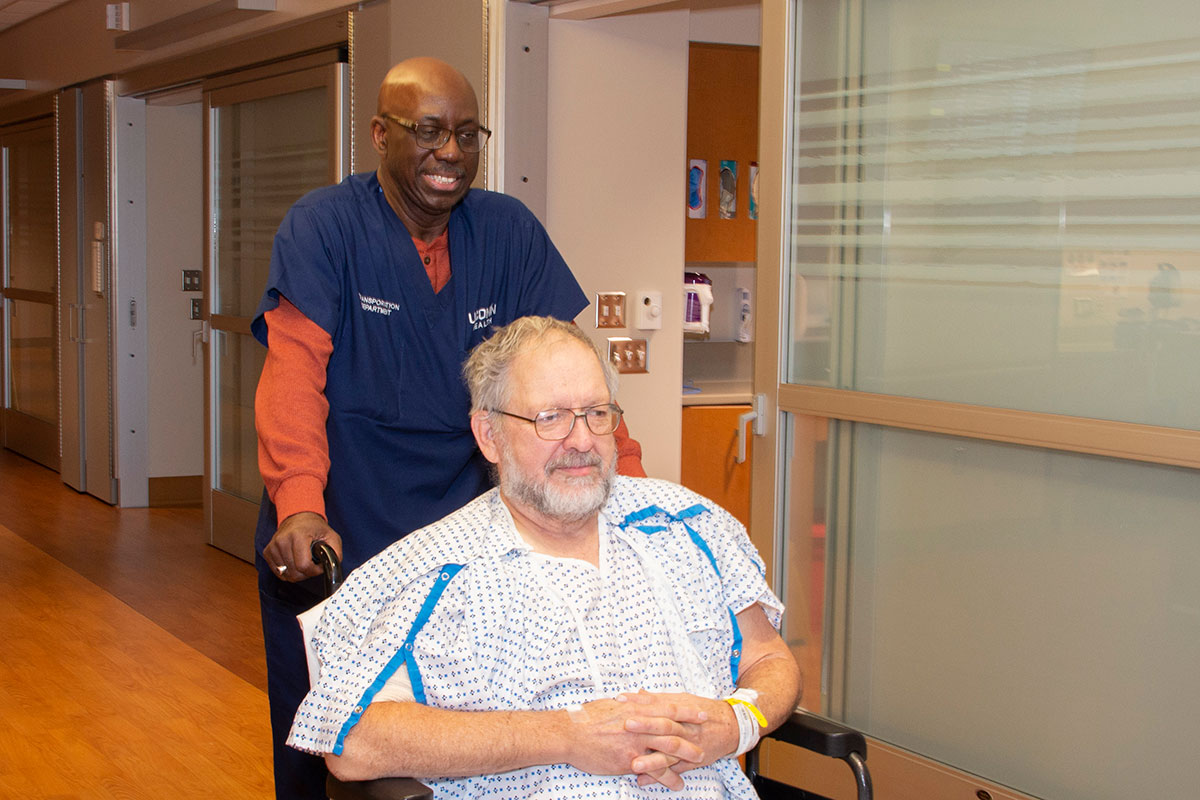
UConn Health transport aide Howard Fairley brings a patient to his hospital room. “I love the job. I give it all I got. I was hired on Valentine’s Day and fell in love with the job,” he says. (Photo by Kristin Wallace)

Often when patients come to the UConn John Dempsey Hospital, particularly for surgical procedures, the first and last people they encounter during their stay are the transport aides. UConn Health has 25 transport aides: nine full-time staff, 12 part-time staff, and four students. They are a unit within the Office of Logistics Management that works around the clock, and as such, are considered Level 1 (essential) staff.

Describe the role of transport aides and how they fit into our care delivery mission?

“First and foremost, they’re transporting inpatients,” says Alex Schwarz, who supervises the transport aides. “They’re also moving specimens, they’re getting and moving equipment (such as stretchers or wheelchairs) when it’s needed, they’re rounding, they’re responding to Code Blues, Rapid Response Team calls,  in addition to the massive transfusion protocols. Sometimes they’re the first ones to see the patients, and usually they’re the last people the patients talk to before heading home. They can leave a lasting impression of the care we offer here.”

“Even though they’re not treating patients, they play a vital role, in that they get the patients where they need to be for treatment,” says Logistics Management Director Jeff Boyko. “Whether it’s bringing patients down for CT scans or X-rays, or moving specimens and equipment, they focus on getting people and things where they need to go so our doctors and nurses can focus on patient care.”

“People are feeling sick, we’re trying to help them get better, so they can move on,” says Howard Fairley, who, in his third decade in the role, is UConn Health’s most veteran transport aide. “We do whatever we need to do as far as transporting them, and then help the nurse do all that she does, so we can get this patient down to the doctor and it all can run smoothly and safely.”

“Any patient or anything patient-related, we’re here to move,” Schwarz says. “We averaged 169 transports per day in December.”

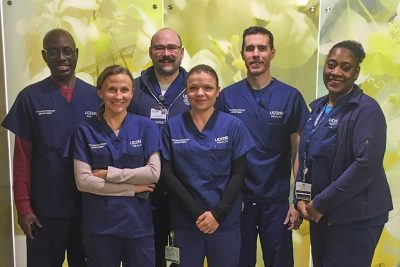
UConn Health transport aides (from left): Howard Fairley, Anna Kustra, Brian Schramm, Gabriela Buksza, Sean Reynolds, and Gwen Williams
UConn Health transport aides (from left): Howard Fairley, Anna Kustra, Brian Schramm, Gabriela Buksza, Sean Reynolds, and Gwen Williams (Photo by Alex Schwarz)

What are their qualifications?

“Our transport aides are CPR-certified,” Schwarz says. “They go through crisis prevention intervention (CPI) training, which teaches them to recognize the signs of patients or visitors who may go from exhibiting normal behavior to becoming agitated, then agitated escalating to aggressive, then aggressive to violent; it teaches them what to do to keep themselves safe and to try de-escalate the situation.”

“We also look for people with experience in a hospital or clinical setting, transporting patients, transitioning them from different modes of transport. They also have experience with the equipment, such as patient lifts, and they are trained in safe patient handling and two-step identification to verify they’re moving the correct patient.”

“You try to make the patients feel comfortable in a sick situation,” Fairley says. “You try to feel them out first, to see how you can uplift their spirits, to make them feel that this is going to be OK.”

What are the most rewarding/challenging aspects of the job?

“I really enjoy the patients,” Fairley says. “I try to come across friendly and easy to talk to, and I want them to feel that way, to help them feel more at ease about their medical situation.”

“There was this one older gentleman who had heart surgery, and he was just fretting, saying he was going to die. I spoke to him, I said, ‘Life and death is about your tongue. Speak life, and live!’ Four days later, he was so happy, when I saw him he said, ‘Hi, my friend!’ I get joy out of seeing that. It’s all about the patient. That’s pretty much the way we do it.”

“It can be a challenge when the patient doesn’t really want to be here, but that’s understandable. When a patient’s not nice, you’ve got to find your way around that and not take it personally. They’re sick, they’re hurting, they may be angry, they may receive bad news from the doctor. When someone gets a bad report, or doesn’t make it, those are some of the things you deal with. It weighs on a person to see stuff like that.”

What’s an example of when the transport aides are moving something other than patients?

“When someone’s in the O.R. for a surgery or a mother’s giving birth, if the patient starts losing blood, UConn Health has a massive transfusion protocol,” Schwarz says. “Many departments are notified, including ours. Transport’s role is to go get the requisition for the blood, haul up to the blood bank, get that blood, and run back and forth with the blood, which obviously is a pretty critical component.”

How far back does the role of transport aide go, and what has changed?

“Transport goes back to the start of the hospital and used to be a function of what today we call Facilities Management and Operations,” Schwarz says. “It was under Nursing for a while, and in 2013 it came under Logistics Management.”

“The job has remained pretty much the same over the years in terms of responsibilities. But the way that we log the calls and the way that we track performances have changed throughout the years. When transport moved to logistics, they were logging all the calls that came through. We had someone dedicated to answering the phone, taking all the calls and handwriting all of the calls that came through on a log, and then they were going into Excel after the fact and they were transcribing everything that was written into the log. Then we moved toward having an Excel log, in which they directly entered the information. We had all kinds of formulas set up in the spreadsheet, and we gained some efficiency and reporting capabilities. And now we’ve moved to UConn HealthONE, so we don’t even have that person sitting on the phone anymore. That individual is basically an on-shift lead person who’s actually out there helping with the calls, which I think has proven to be beneficial. On average, 97 percent of the calls are completed within 16 minutes of being requested. Before HealthONE the average would fall between 20 to 23 minutes.”

How do we request a transport?

“Basically anything patient-related that needs to be transported within the hospital should be placed into HealthONE,” Schwarz says. “Everyone should have access to place patient and non-patient transport requests. Our transporters sign in to HealthONE, which assigns them to the calls on a rotating basis, subject to availability.”

Geriatric Researcher’s Study Could Lead to More Effective Flu Shot

December 20, 2018

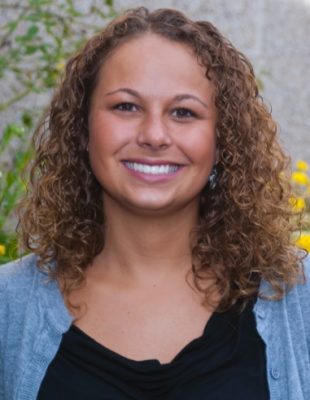
Jenna Bartley, Ph.D.
UConn Health geriatrics researcher Jenna Bartley (UConn Health photo)

UConn Health geriatrics researcher Jenna Bartley has won a $120,000 grant from the American Federation of Aging Research for her study of the effect of a diabetes drug on the immune system.

Bartley, a new assistant professor in the UConn Health Center on Aging and Department of Immunology, was one of eight postdoctoral fellows in the United States to receive a 2018 Irene Diamond Fund/AFAR Postdoctoral Transition Award in Aging.

She is preparing a study of the drug metformin, approved by the Food and Drug Administration to influence metabolism in people with type 2 diabetes, to determine its potential relationship to immune response.

“I will explore how altered metabolism contributes to poor immune responses in older adults, as well as explore a potential therapeutic intervention to improve flu vaccine responses in this vulnerable population,” Bartley says. “Since methods to enhance vaccine efficacy in older adults are limited, this research could provide the groundwork to develop metabolic adjuvants to improve vaccine responses and reduce infectious disease related morbidity and mortality in this population.”

Related:
‘In Discovery: Fortifying the Flu Shot’
UConn Health Blog

Early next summer, Bartley will start recruiting older adults who don’t have diabetes or prediabetes. The study will randomly place each participant in one of two groups: One group will receive metformin and the other will receive a placebo.

The Irene Diamond Fund/AFAR Program provides full-time research training and flexible and portable grant support to senior postdoctoral fellows as they transfer to faculty positions.