See how many UConn Health staff members you recognize!


December 22, 2022
See how many UConn Health staff members you recognize!
November 3, 2022


October 26, 2022
“I now understand they are an absolute integral part of the health care team, and a truly amazing resource.”
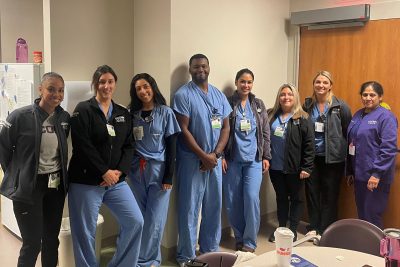
My main takeaway is respiratory therapists are really amazing health professions that I have never really considered until now.
I had always heard about “RTs” during the COVID pandemic especially, but I never thought about what that might entail. I thought that respiratory management was always managed between the pulmonologist and nurses, such that orders for oxygen and/or breathing apparatuses by the pulmonologist were implemented by the nursing team, and more advanced ventilation such as intubation and tracheostomies were performed by the pulmonologists.
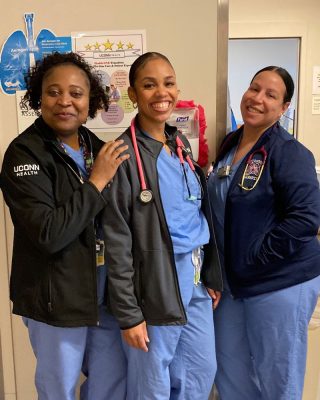
I was blown away by how much our RT does… She shared a story of when a patient came in and with her 15-plus years of experience, immediately knew that this patient needed a BIPAP. However, the resident said it was not needed yet. Rather than argue, the RT simply went to grab and set the BIPAP up, but did not place it. Finally, when the resident said BIPAP was necessary, it was all ready to go. The RT shared that had she waited for the resident’s orders for the BIPAP, there would have been a delay in care because of the time it takes to get the BIPAP from the floor and set it up. I thought this was such an incredible story to hear, because it showed me that even though doctors technically go to school for a longer period of time, we need to respect these professionals that have extensive experience in the field and have trained specifically to help patients breathe. Our RT was sharing about all of the intricacies of O2 and CO2 balance, with extensive knowledge about microbes such as pseudomonas that cause respiratory infections.
In our curriculum, we have pretty much covered all of the material surrounding respiratory infections and V/Q mismatch and gradients and things like that, and I still feel like I barely know these things – and a lot of my classmates struggle with this material as well. I just think it’s absolutely amazing how RTs know pulmonary inside and out. Like I genuinely don’t understand what pulmonologists do that RTs don’t. I know it was very condescending of me to not know how knowledgeable RTs were before, but I am fortunate to have had the experience to learn.
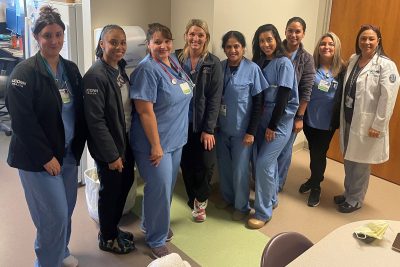
Another take away was that RTs are super passionate, caring, hard-working health professionals. People who require respiratory therapy are extremely sick, and it requires extreme care and empathy to be able to take care of patients in such acute condition. Our RT was telling us about how much they worked during the pandemic and would not leave the floor for insane periods of time. She told us about how they all stayed over time every single day. She even talked about how she needed to buy nice sneakers because of how much they run around. And above all, despite working so much, she still was so passionate about what she does, even saying she will stay late and set extra things up because she loves seeing the relief of patients when they are finally able to breathe.
Overall, I never really thought about RTs, but I now understand they are an absolute integral part of the health care team, and a truly amazing resource. The way in which you breathe really guides how anxious/distressed you might feel, and as RTs are solely focused on making sure patients can breathe comfortably, they are truly at the center of patient care.
October 20, 2022
I wanted to take a moment to recognize the Bristol Police Department. Two officers, Sgt. Dustin DeMonte and Officer Alex Hamzy, died in the line of duty last week, and Officer Alec Iurato was seriously wounded. Bristol is just the next town over. This happened in our community. So this feels very close to home for me. How about for you?

I have spoken with many people. I have watched news videos together on hospital units. I have heard the pain. I have heard stories of nightmares, fears, and anxiety about safety in the future. As I learn more about their deaths, I’m sickened by this senseless tragedy and the evil in the world.
However the specifics of this tragedy weighs on your heart, I would like to acknowledge the many levels the power of this loss to shake up our hospital community.
Perhaps you were here last Friday when the flag was held high across the main drive and the procession to the medical examiner’s office. Maybe you have patients who live or work in Bristol. Maybe you even come from Bristol. Maybe you know the department directly. Maybe you plan to be at Rentschler Field to pay your respects to the fallen officers.
This is a deep loss and a tragic moment. I see it. I hear it. I feel it. Not just for our staff, but our families and friends. What do you need in this moment of grief? Do you need to vent, cry, share a moment of silence together, or do you need a listening ear while you process? I am here if you want to connect to hold space for the tragedy. Perhaps that’s my way of not letting evil win. I want to intentionally make this a point of connection and support so you know you’re not feeling this alone. I’m here. It’s sad. I’m sad with you. Let’s grieve together.
Should you be so moved to help, please see a list of ways to support the families.
You can reach me at dwarriner@uchc.edu, 860-679-3230, or even through Voalte.
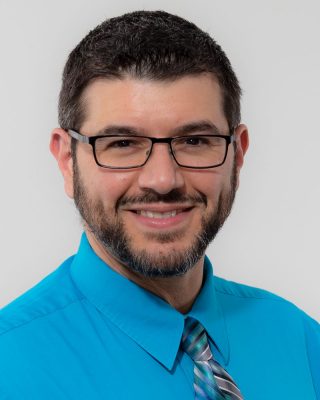
—Rev. Daniel D. Warriner, UConn Health Chaplain
September 22, 2022
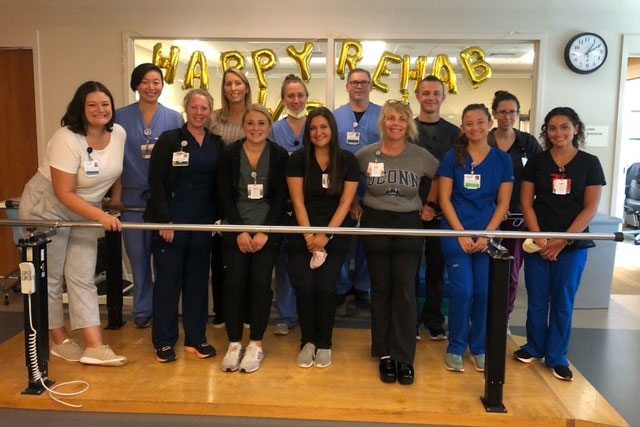
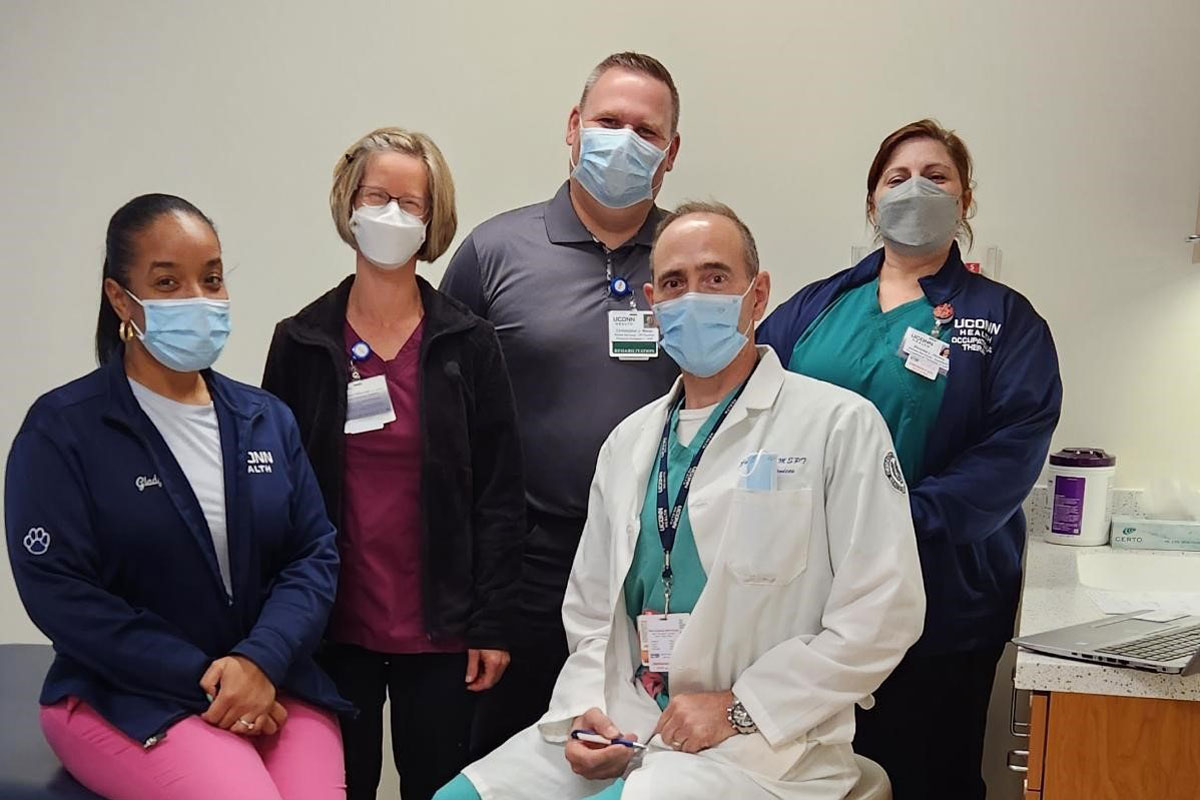
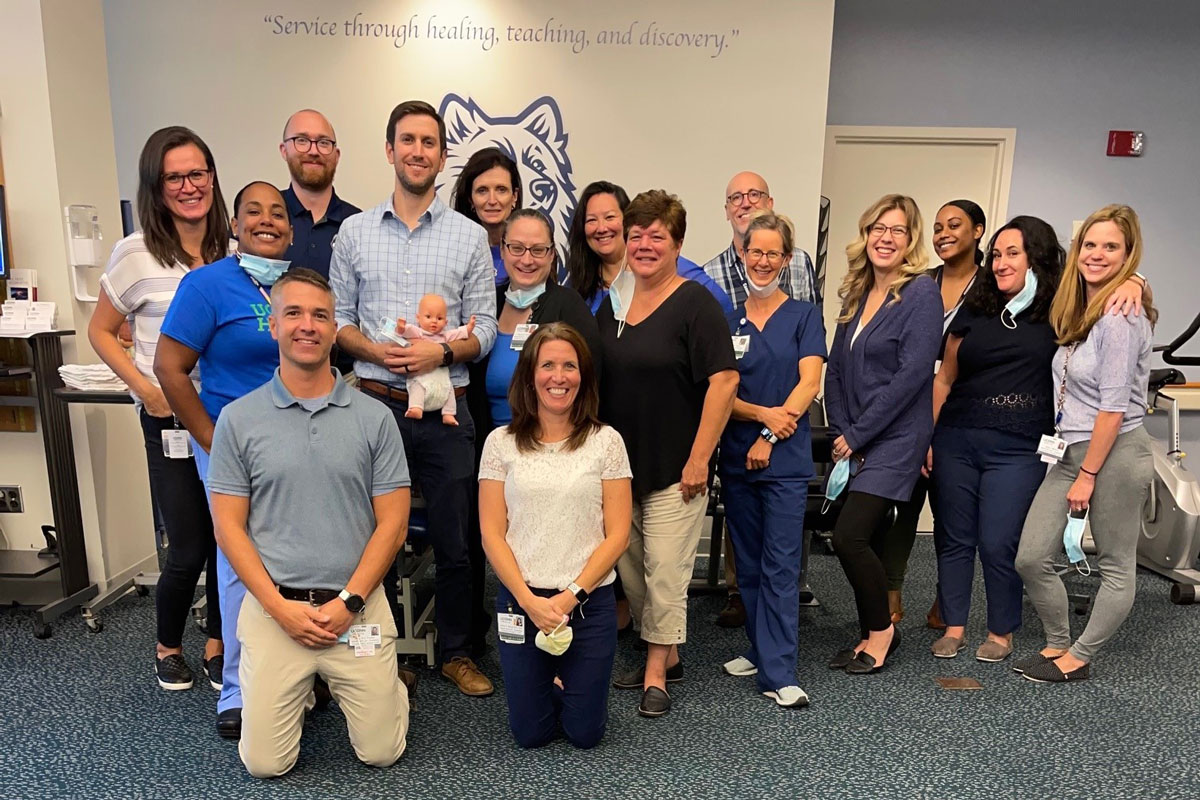
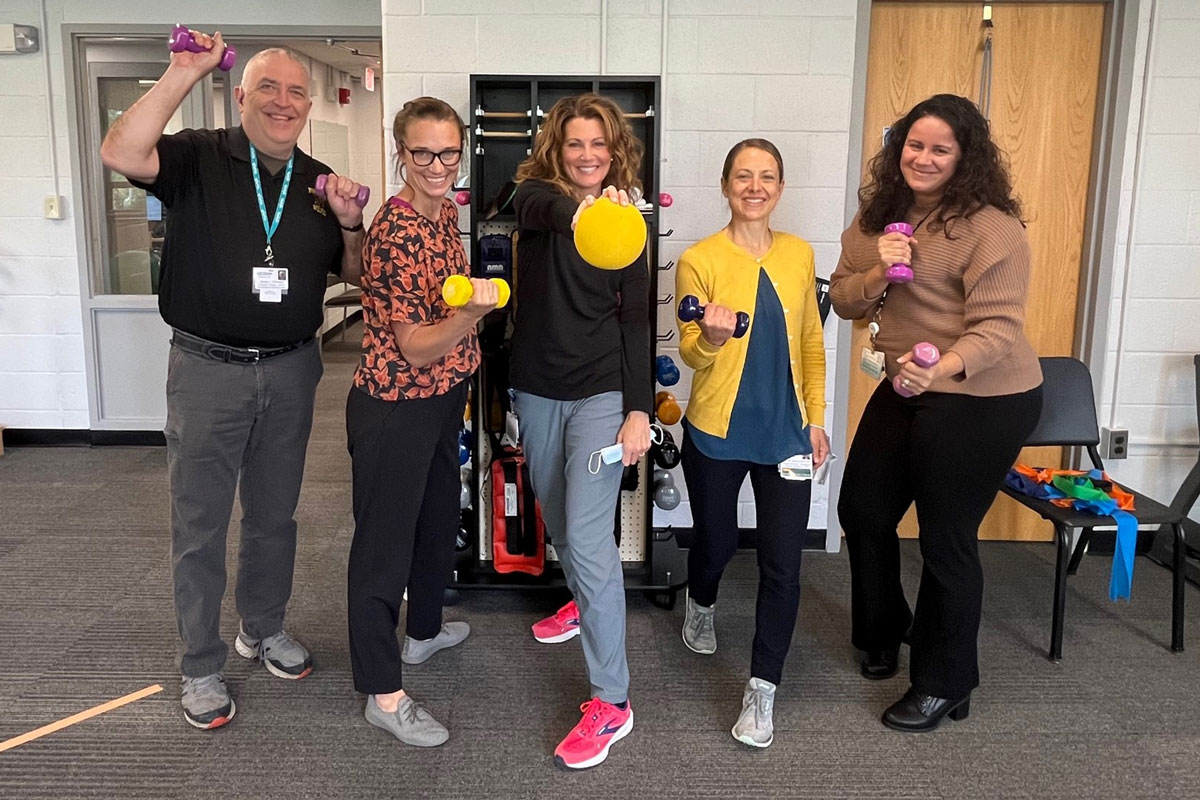
“I’d like to recognize all of our rehabilitation staff – they are a great group of people who deliver exceptional care in multiple locations and specialties, both inpatient and outpatient, including physical therapy, occupational therapy, and speech pathology,” says University Medical Group Chief Operating Officer Anne Horbatuck. “Thank you for all that you do and thanks for being a part of our UConn Health Team!”
August 25, 2022
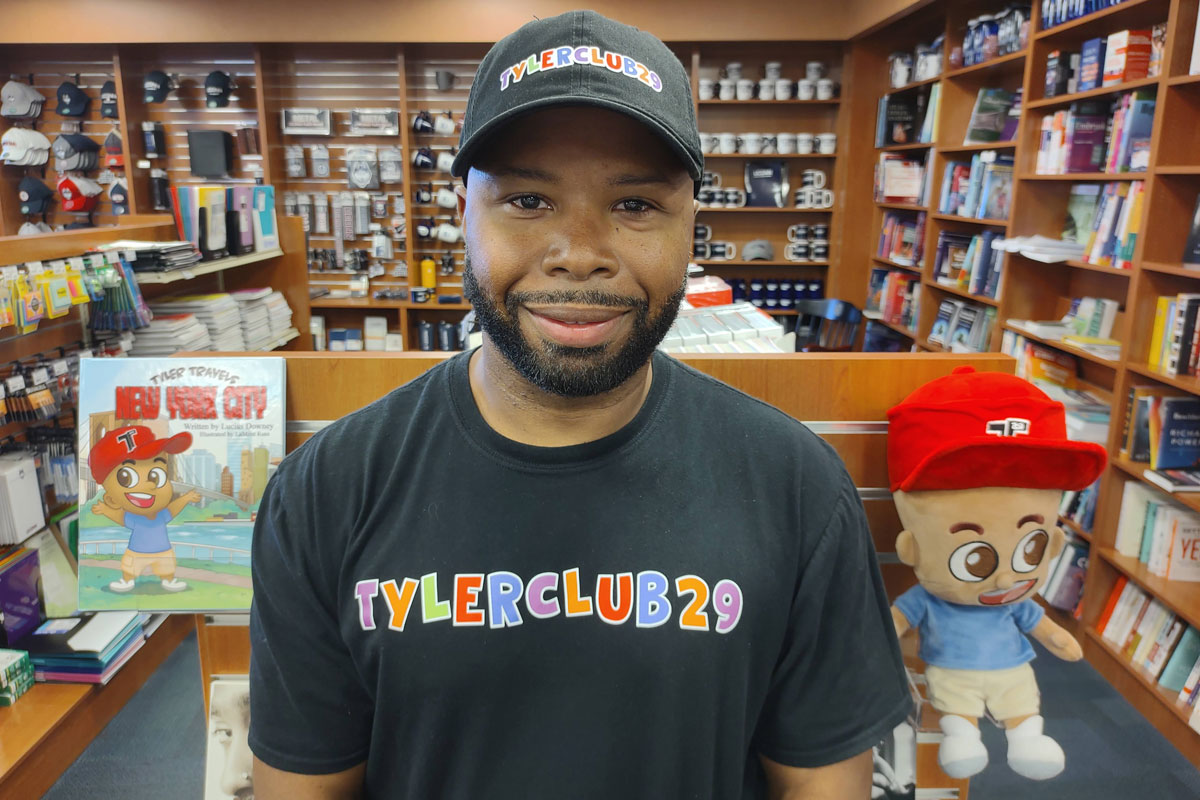
Lucius Downey is in his 10th year working for UConn Health’s Department of Information Technology, where he recently accepted a promotion to the position of desktop support manager. He had been a technical analyst for the last six years, and was a contract employee before that. He is also a children’s book author. His first published book, Tyler Travels New York City, is available at retailers, including the UConn Health Bookstore, and via tylerclub29.com and Amazon.
Downey lives in New Britain with his son, Tyler, who turns 12 Sept. 29.
 Favorite movie:
“Coming to America”
Favorite actor:
Denzel Washington
Person you’d most like to meet: Tyler Perry
Favorite place to visit:
I would like to visit Hawaii or Alaska.
Something about you today your younger self would never believe:
That I would live outside of New York City
What was it like working in IT during the height of the pandemic?
During the height of the pandemic, it was very busy. The first few weeks were very challenging, but we were able to work through those challenges and resolve many issues. One of the challenges was preparing equipment for our users to work from home.
What would you say is the most misunderstood thing about the work you do?
I think technicians can make the work look easy, so some will assume it is, but we face challenges as well.
What is the most rewarding thing about your work at UConn Health?
My job is to provide desktop and hardware support to our staff. The most rewarding thing is being able to resolve technical issues for our users. I really love helping people.
You’re also a children’s book author. How did that come to be, and when did you start?
I started writing music and poetry at a very young age, but never a book. During the pandemic, I wanted to try something new and challenge myself, so I started writing children’s books. I wanted the books to be of significance to me, so I decided to write the book with my son, Tyler, as the main character.
I took a picture of him when he was three years old, and I handed it off to a friend of mine who’s an illustrator. His name is LaMont Russ. From that picture, we created the character, and from there we created the story. We also have a small cartoon on YouTube. Tyler’s 11 years old now. He’s into sports, he loves pizza, he loves riding bikes, and he loves reading as well. So that was the inspiration behind this entire project. We would like to have not only books for students, but also an app. At some point, we will finish up the app and then we’ll move on to other subjects for school, but right now we’re focusing on reading.

How many have you written/published? What can you tell us about your body of work as an author?
Currently, I have about seven books finished and waiting to be published. Tyler Travels New York City is the first book I’ve published that is part of the TYLERCLUB29 traveling series. Tyler will travel to a different location in every book. He just so happens to go to New York City in the first book because that’s where I was born and raised. In addition to the travel series, I also have other books I’ve written which I plan to publish as well. The next book to be released is Tyler It’s Time. In that particular book, it’s time for something — time for practice, time for school — and that particular series will rhyme.
Learn more about Downey’s creative work at tylerclub29.com.
July 12, 2022
Recently UConn Health received notification that a patient’s family was targeted with a scam in the form of spoofed phone calls. The attacker used technology so the caller ID displayed a number originating from UConn Health. Once someone answers, a scripted scam developed through social engineering, attempts to trick the victim into giving over money. Preventing spoofed calls is next to impossible, but we can be prepared for them:
March 15, 2022
Is there any way to recap these past two years? It’s hard to say. Yet, moments like this are necessary because acknowledging this benchmark is important.
Remember when we were just supposed to wait two weeks and everything would be alright? But then two years passed. Many got sick. Some recovered. Some died. Our patient care routines changed. Our lives changed.
COVID has impacted my entire life — all of it — mind, body, and spirit. COVID brought loss. My reaction to the losses from COVID brought grief. So it makes sense that I’m still grieving. I talk about grief a lot because it is all around us. How about you? As we emerge from pandemic life, could I encourage you to spend some time considering how COVID has affected you — mentally, emotionally, socially, physically, spiritually.
Your grief is necessary. However, if I’m honest with myself, tackling grief is often the last thing I want to be doing. It’s hard to make space to really sit with a loss. But even when it doesn’t feel productive and I’d rather not deal with it, going through the grief process is an absolutely necessary experience. Why? Because the reality is that you lost something and it hurts badly, and like any other injury, it needs to be addressed and tended to. If a cut gets infected when left untreated, how much more will our grieving, injured hearts cause us trouble if we don’t take intentional steps to heal after a season of loss?
 Do you know what happens to grief if you do your best to ignore or hide your pain? It listens to you and goes somewhere into the depths of your heart, where it transforms. It doesn’t go away, but rather gets balled up and tends to “leak” out in the form of anger, depression, or unhealthy habits. This is worse than the grief itself.
So, how do we care for our grieving hearts? Just like any other traumatic injury, we have to acknowledge it, find ways to rest, and patiently work through the steps of healing. Depending on the moment and the stage of grief, this might look like a conversation with a friend, prayer, taking a long run, reading a good book, going on a day trip, or talking with a counselor. These are small steps on the road of healing. They don’t take away what happened but they can help to move us forward in our journey.
Grief and loss have the power to define us, but they also have the power to spark growth in us. What may start off like a small seed in you can blossom, causing you to grow in ways you hadn’t imagined before. My hope is that we can navigate this path of grief with empathy, kindness, patience, and love — both for ourselves and for one another.
—Rev. Daniel D. Warriner, UConn Health Chaplain
February 10, 2022
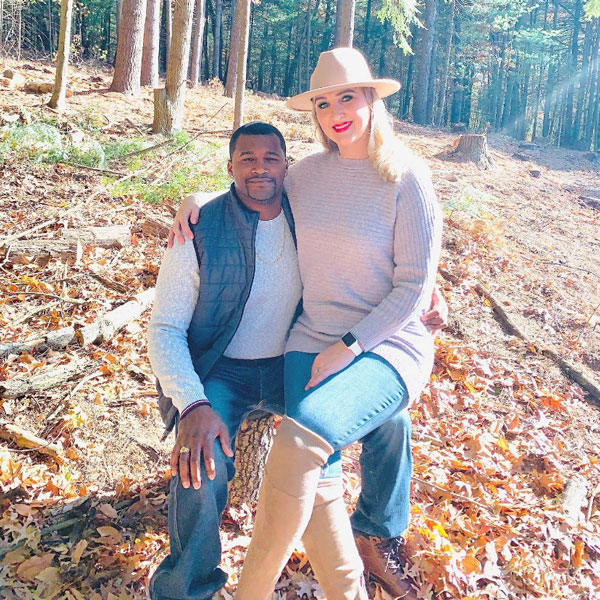
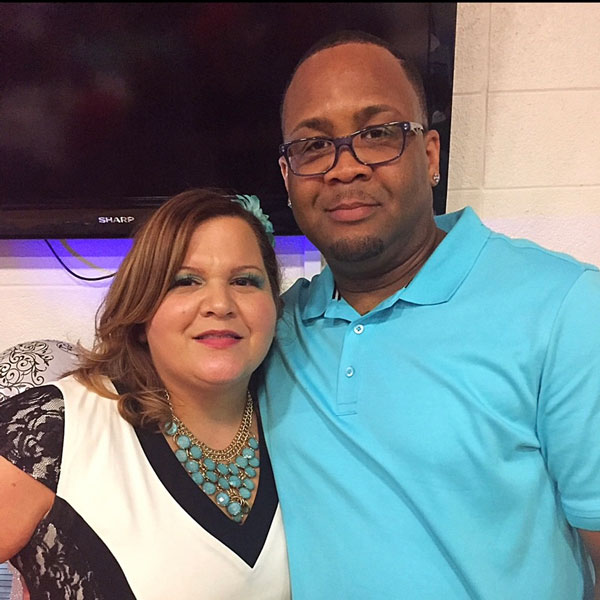
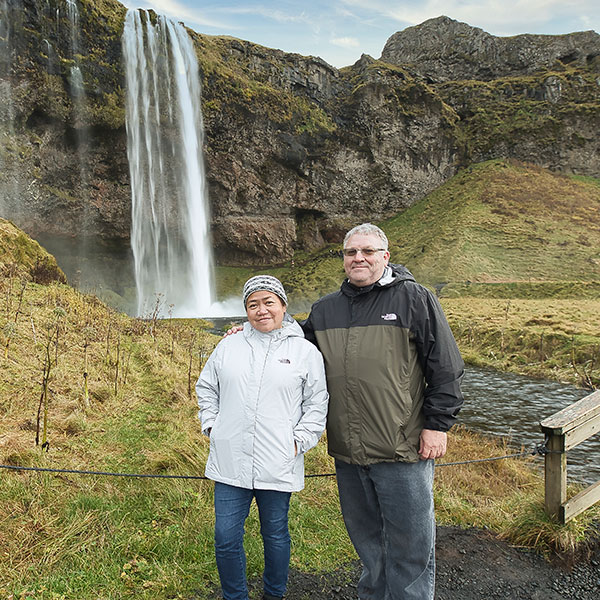
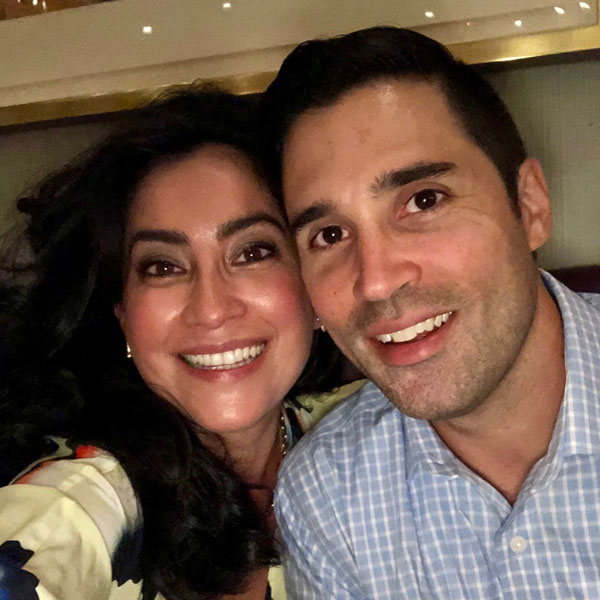
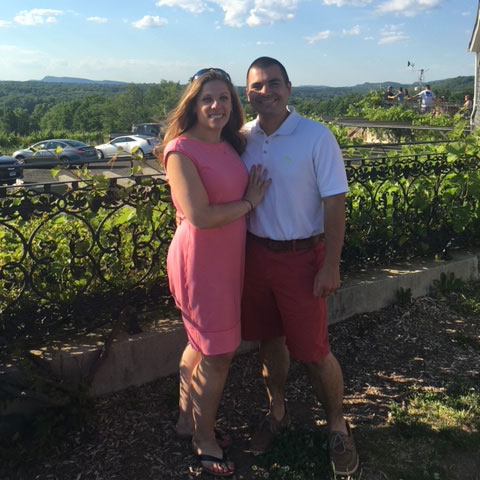
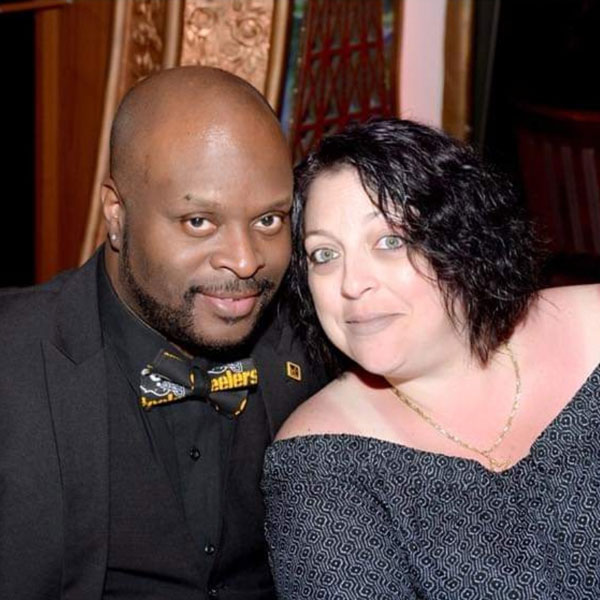
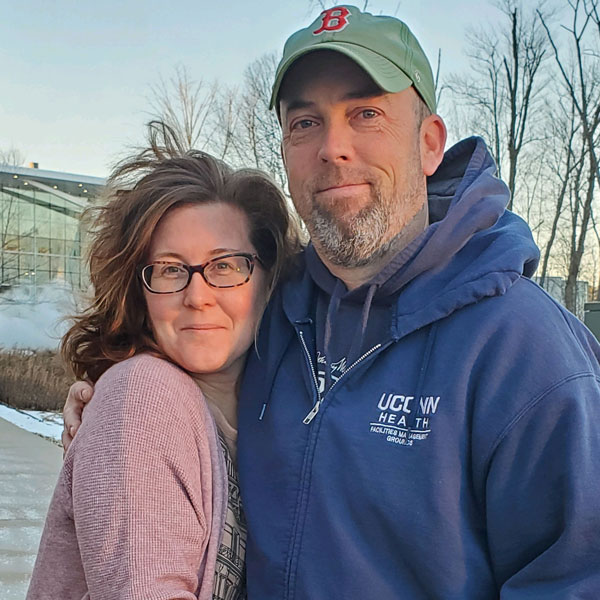
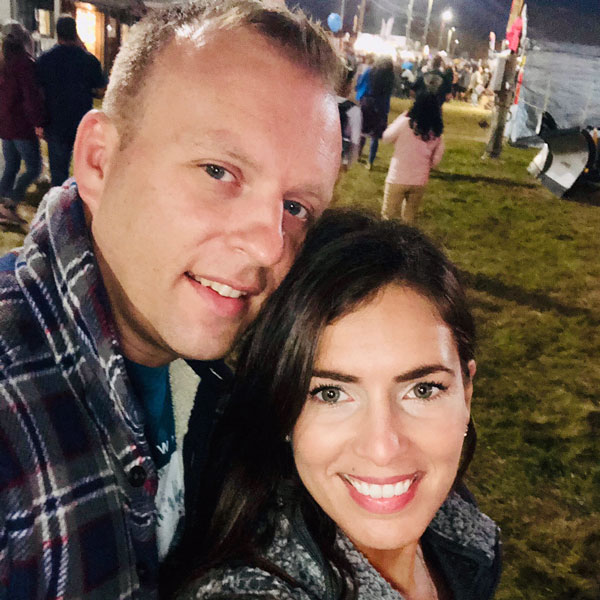
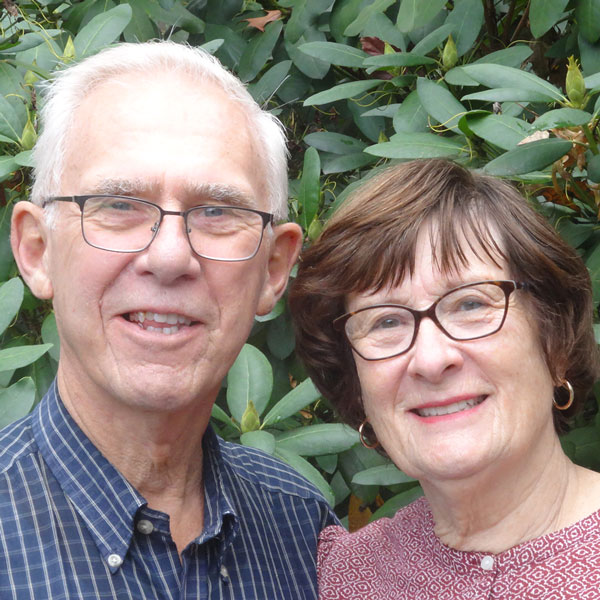
Meet some of the husband-and-wife tandems who work at UConn Health:
January 20, 2022
